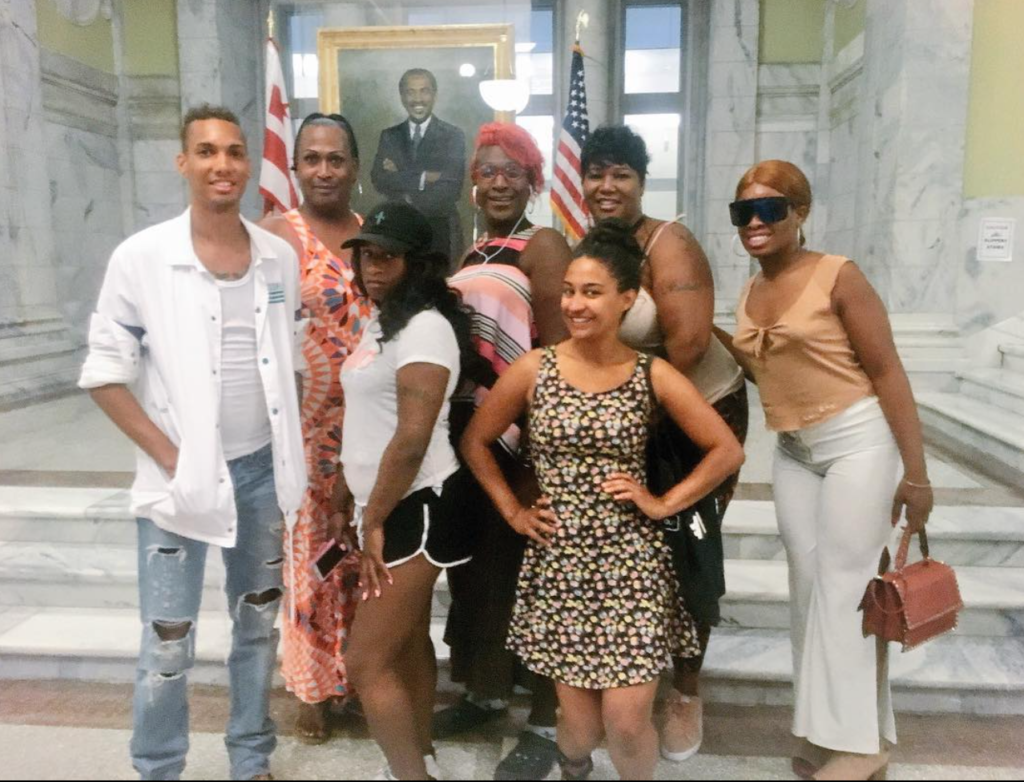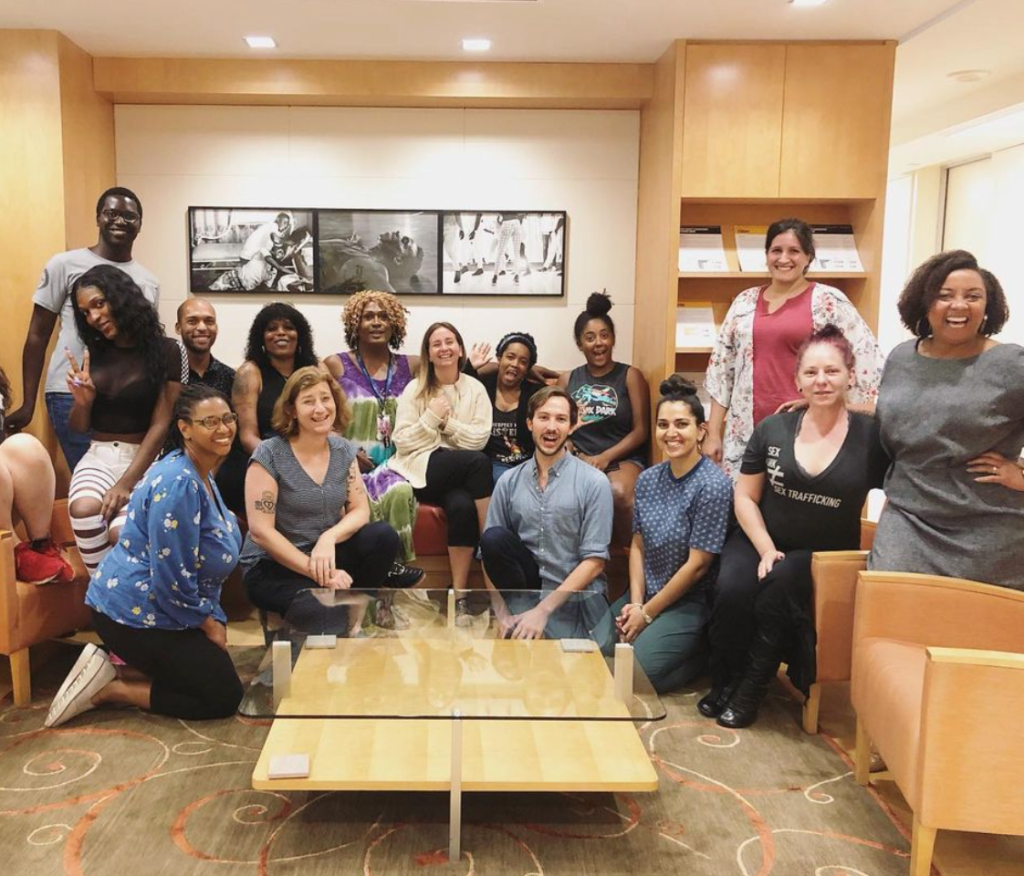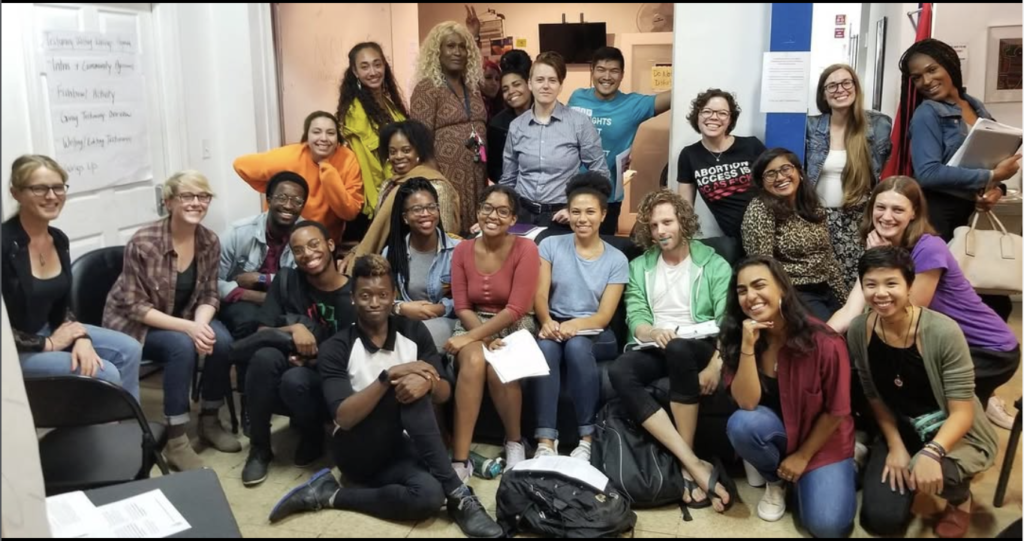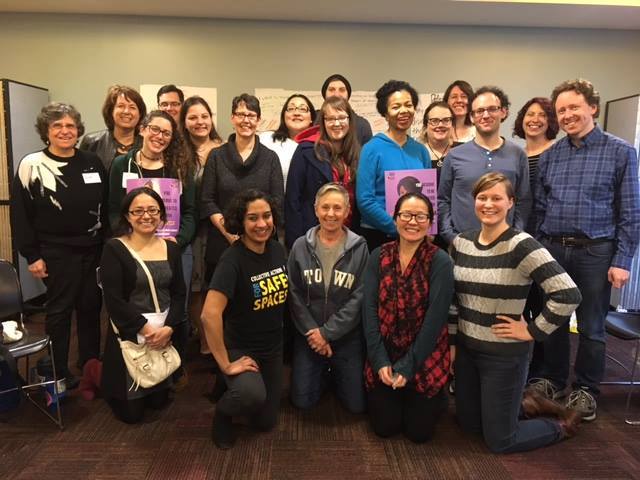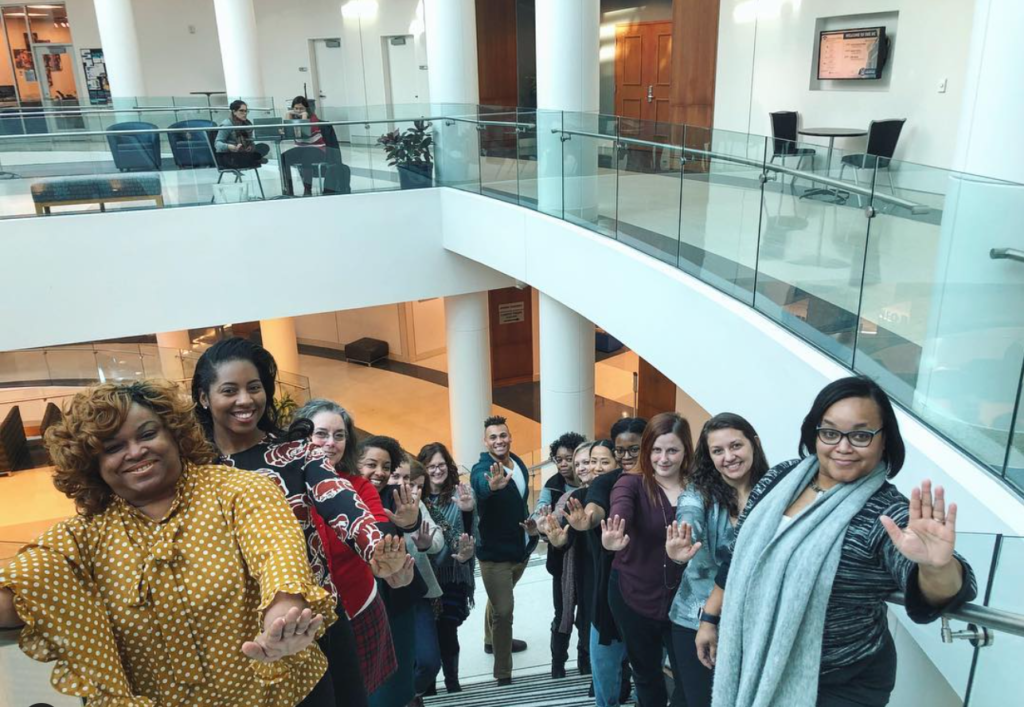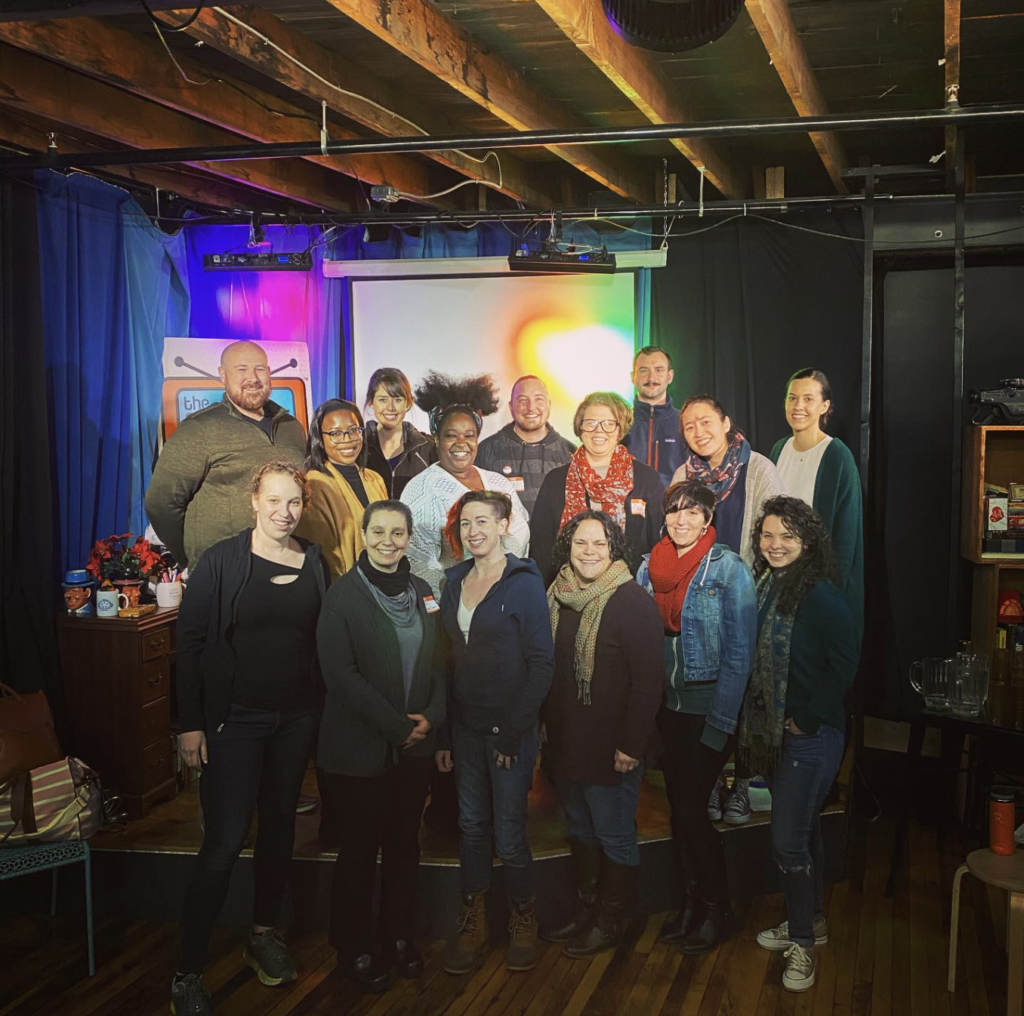



Collective Action for Safe Spaces was a Black trans, queer, and non-binary-led organization that was founded in 2009. The organization started as an anti-street harassment online forum led by volunteers, and grew into a collective of staff members, board members, volunteers, consultants, and coalition members. The organization specialized in public education, cultural organizing, coalition-building, and advocacy to build anti-carceral community safety… Read more >
Please scroll left to view the path we forged and the programs that continue to live in the community.
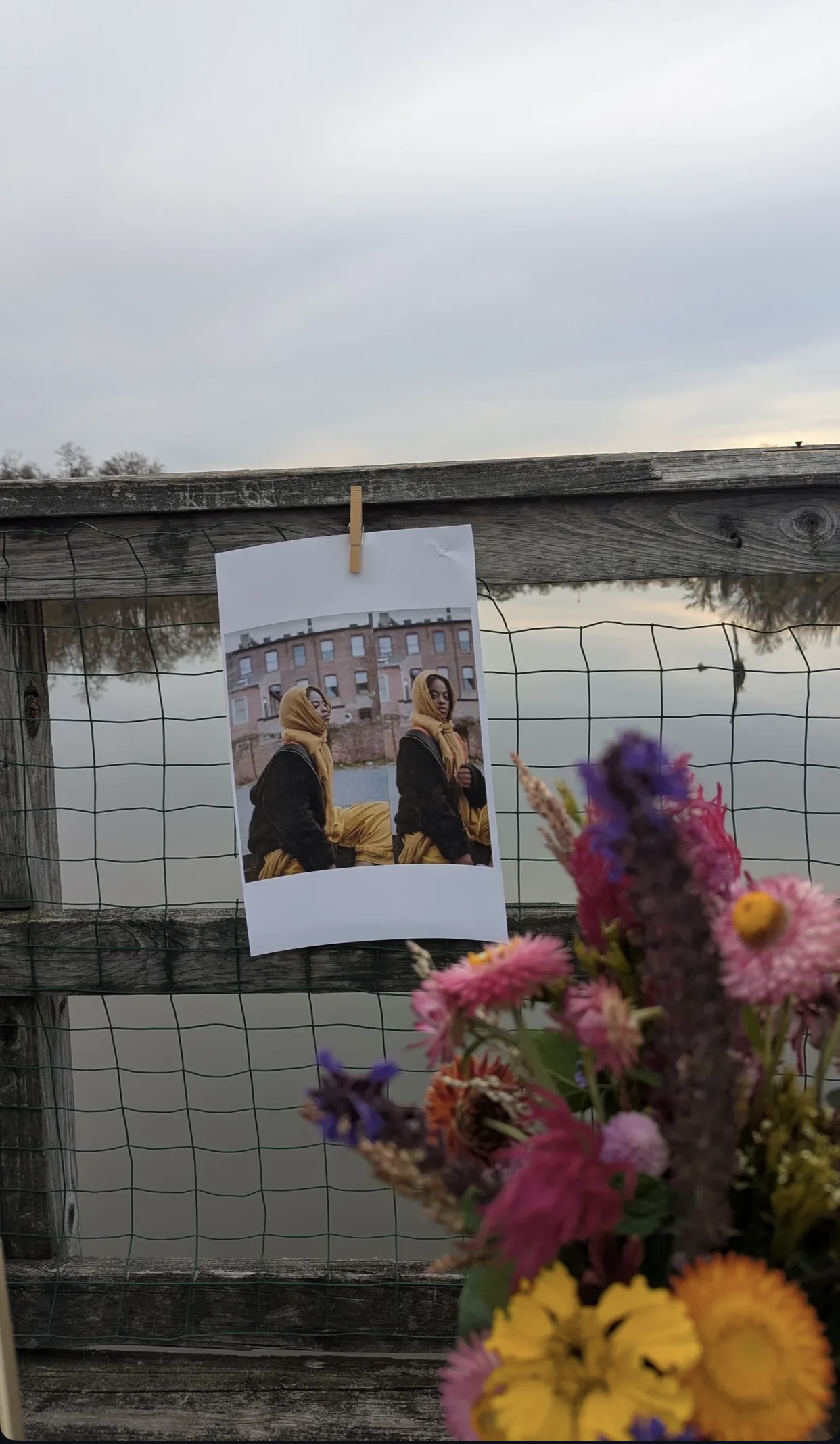
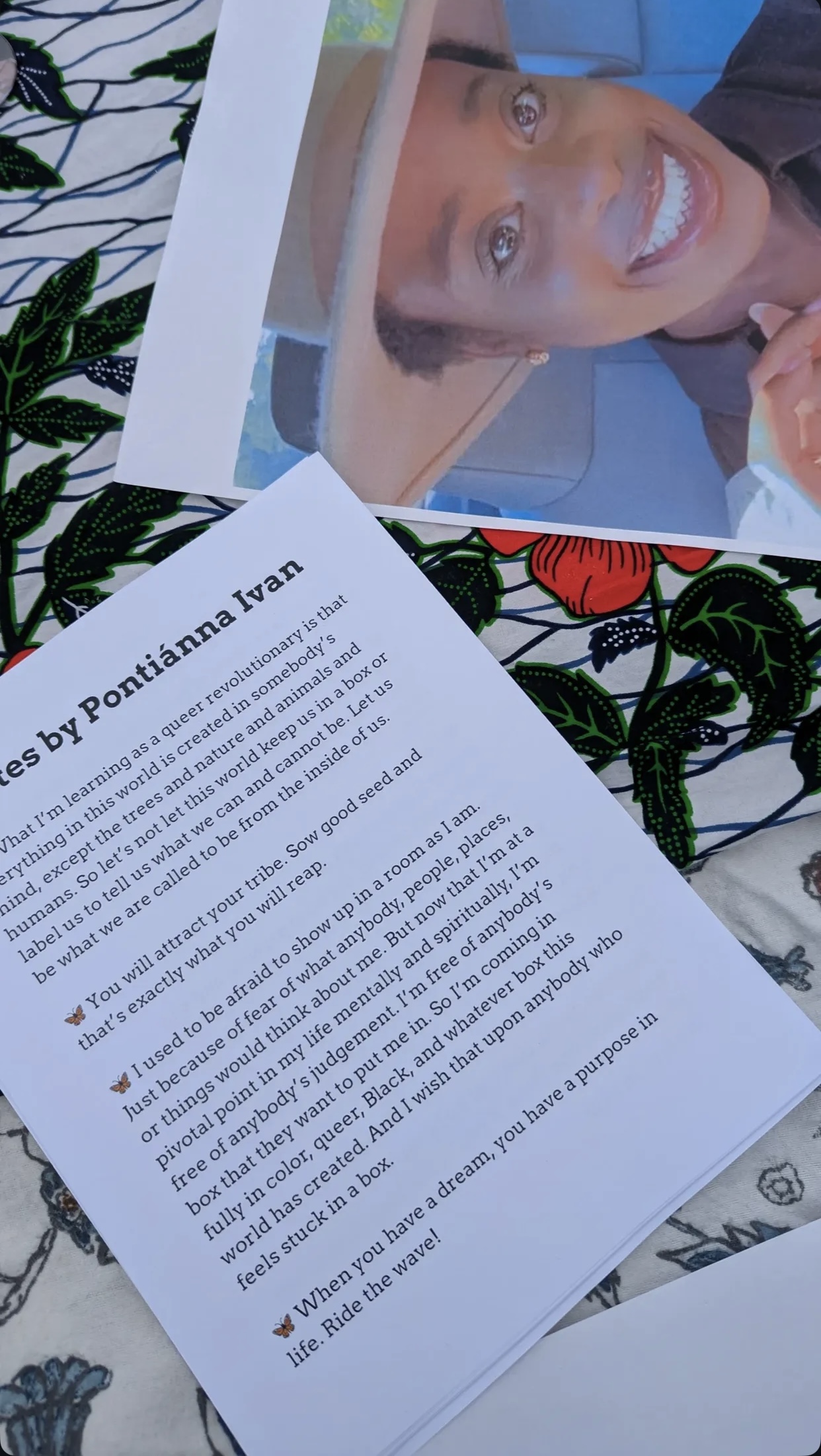
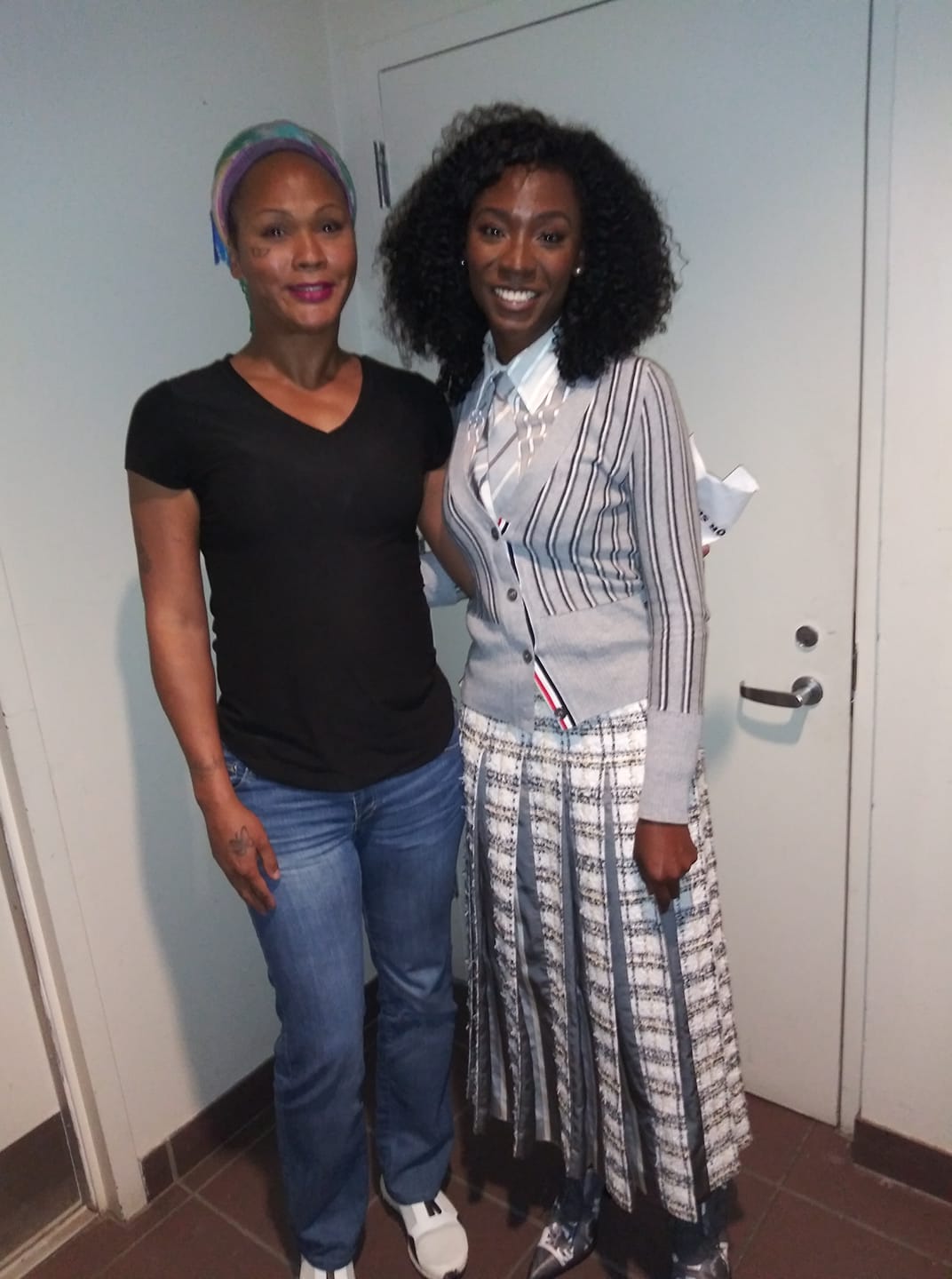
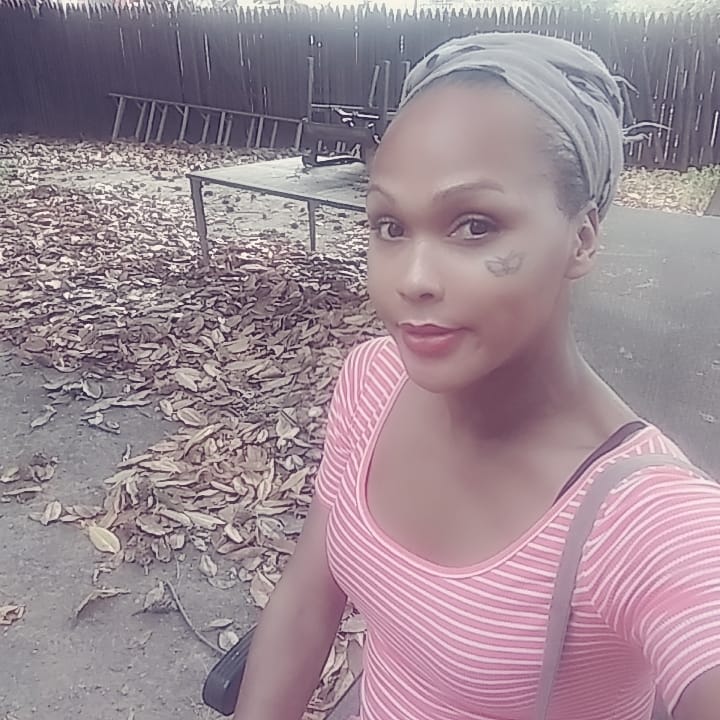
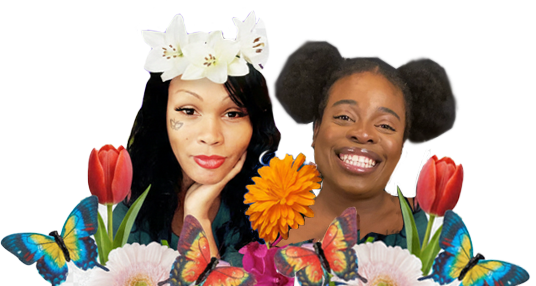
Our Dear Sisters, Nona and Pontianna
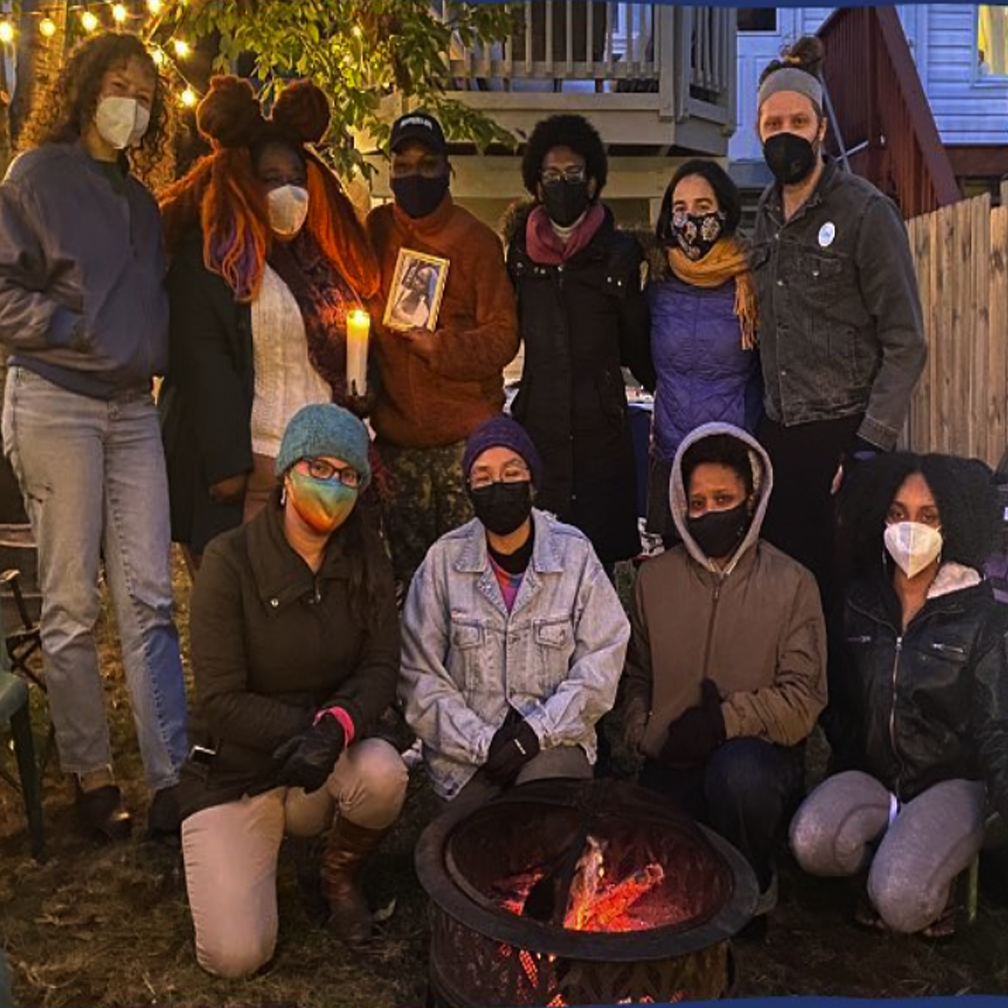
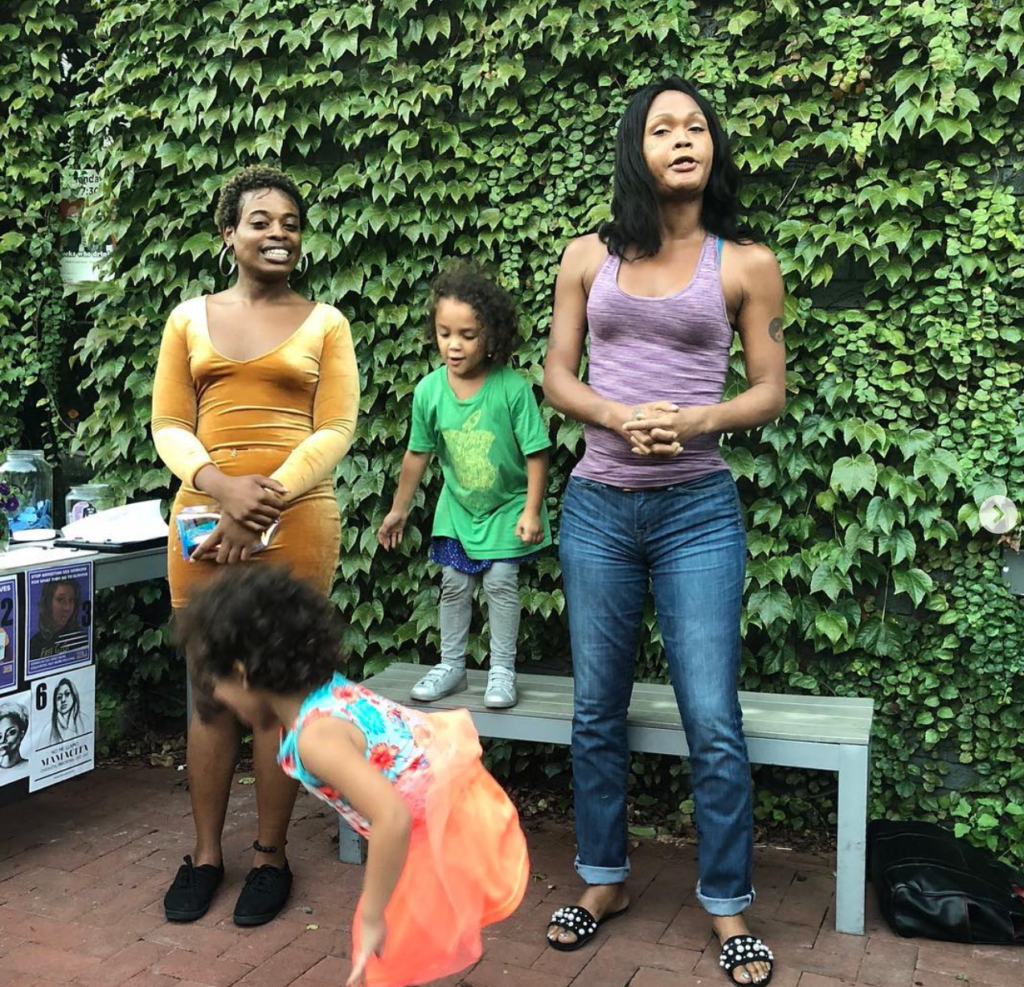
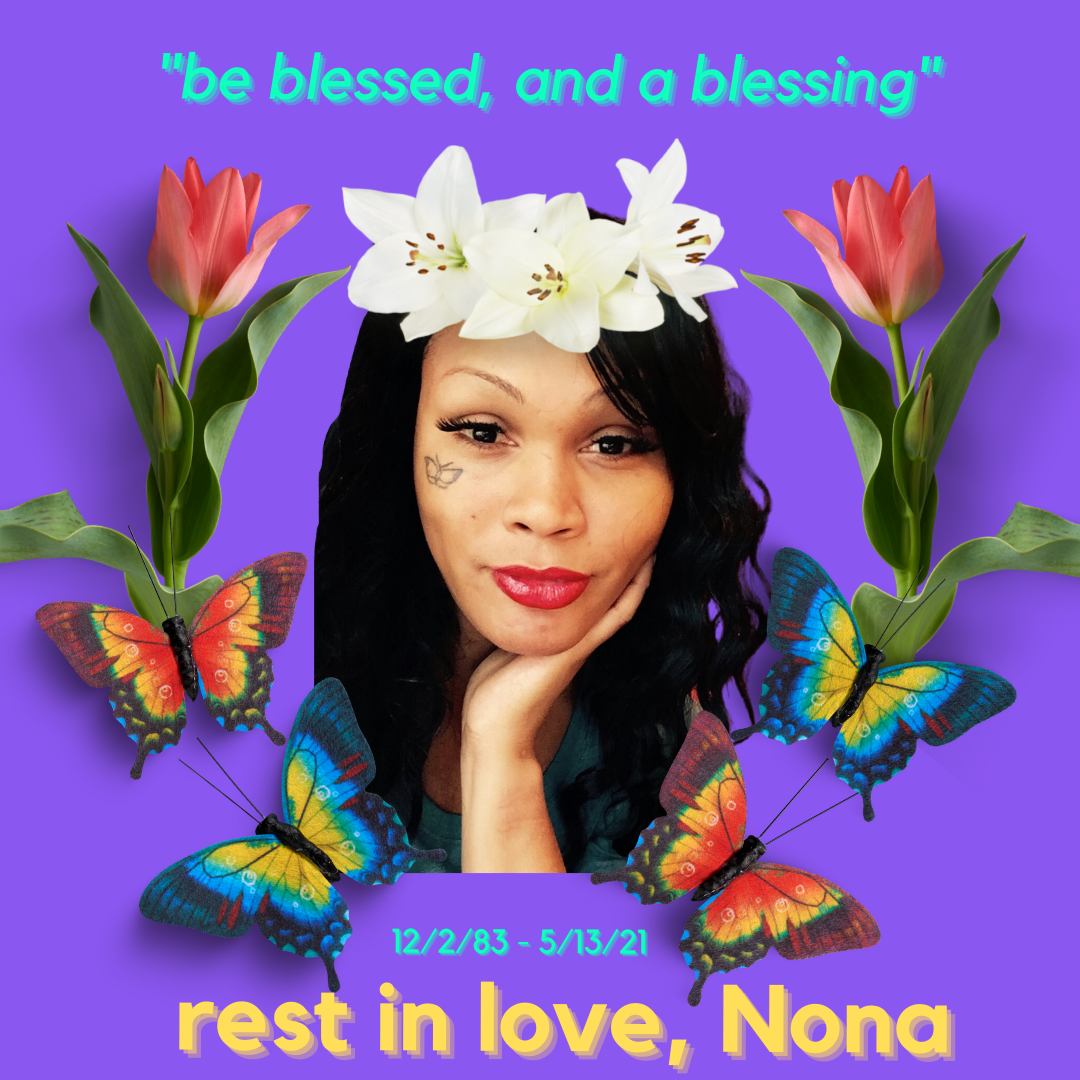
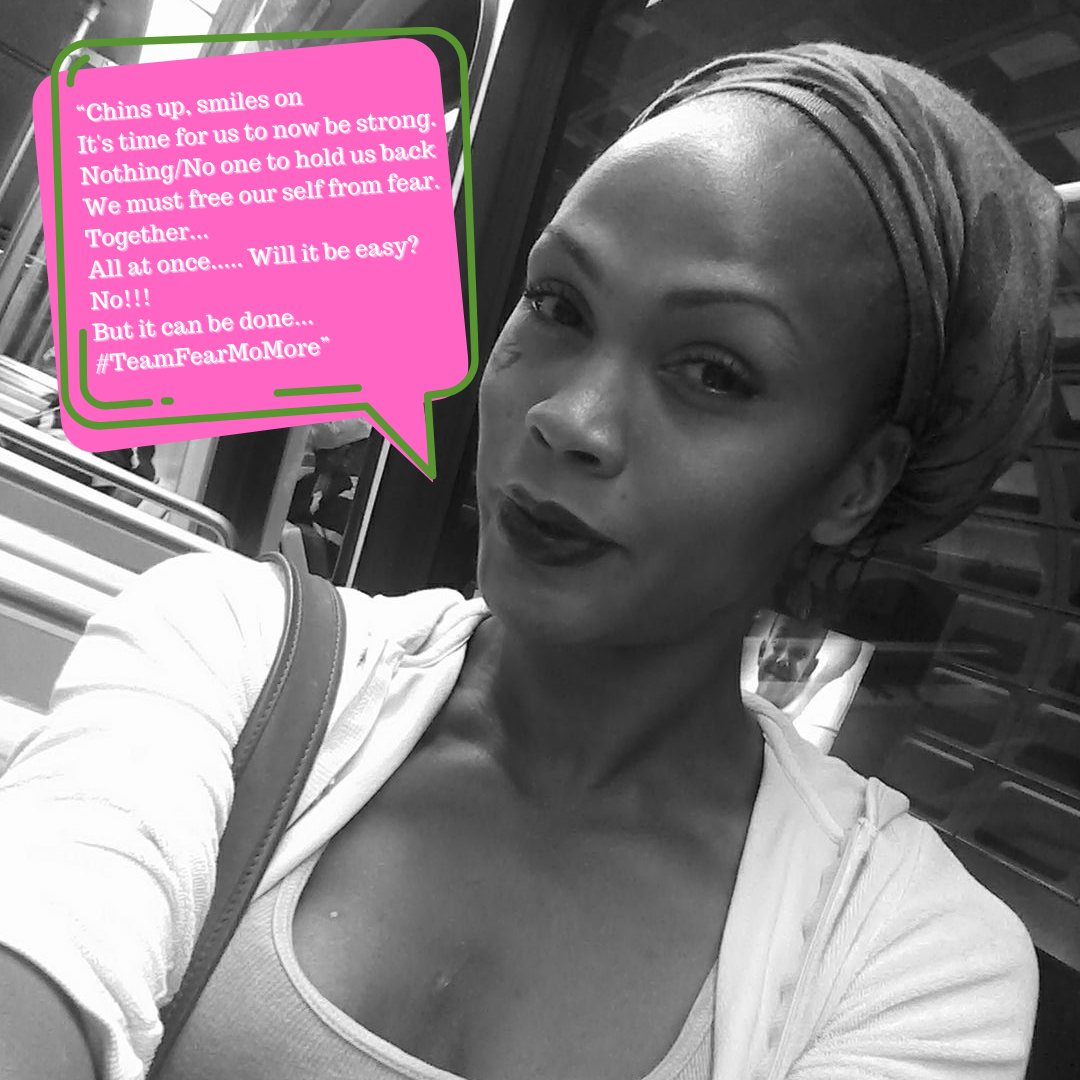
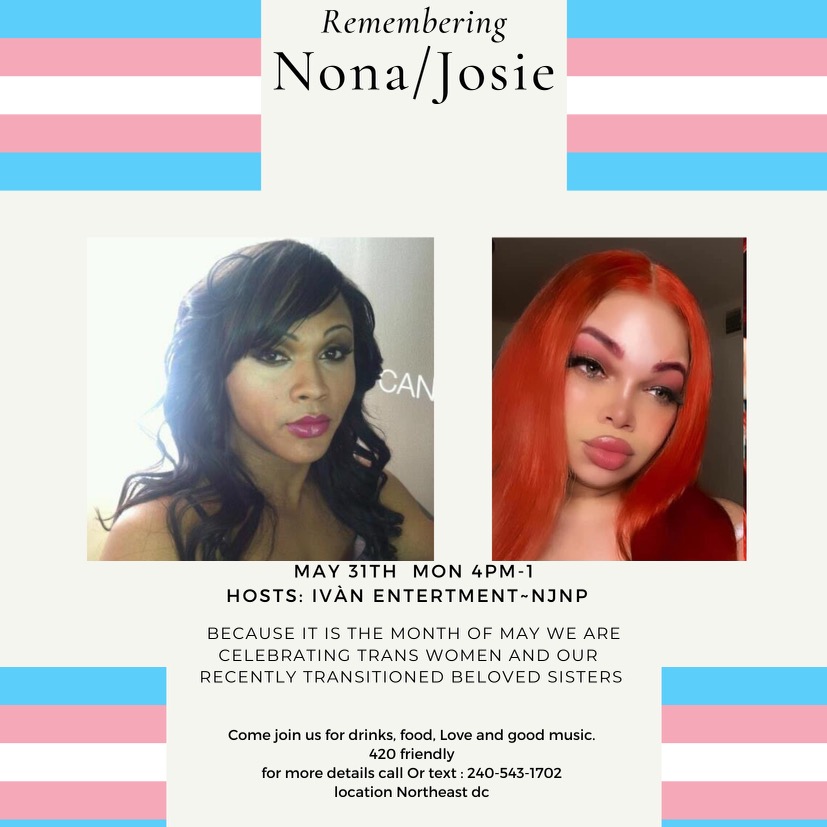
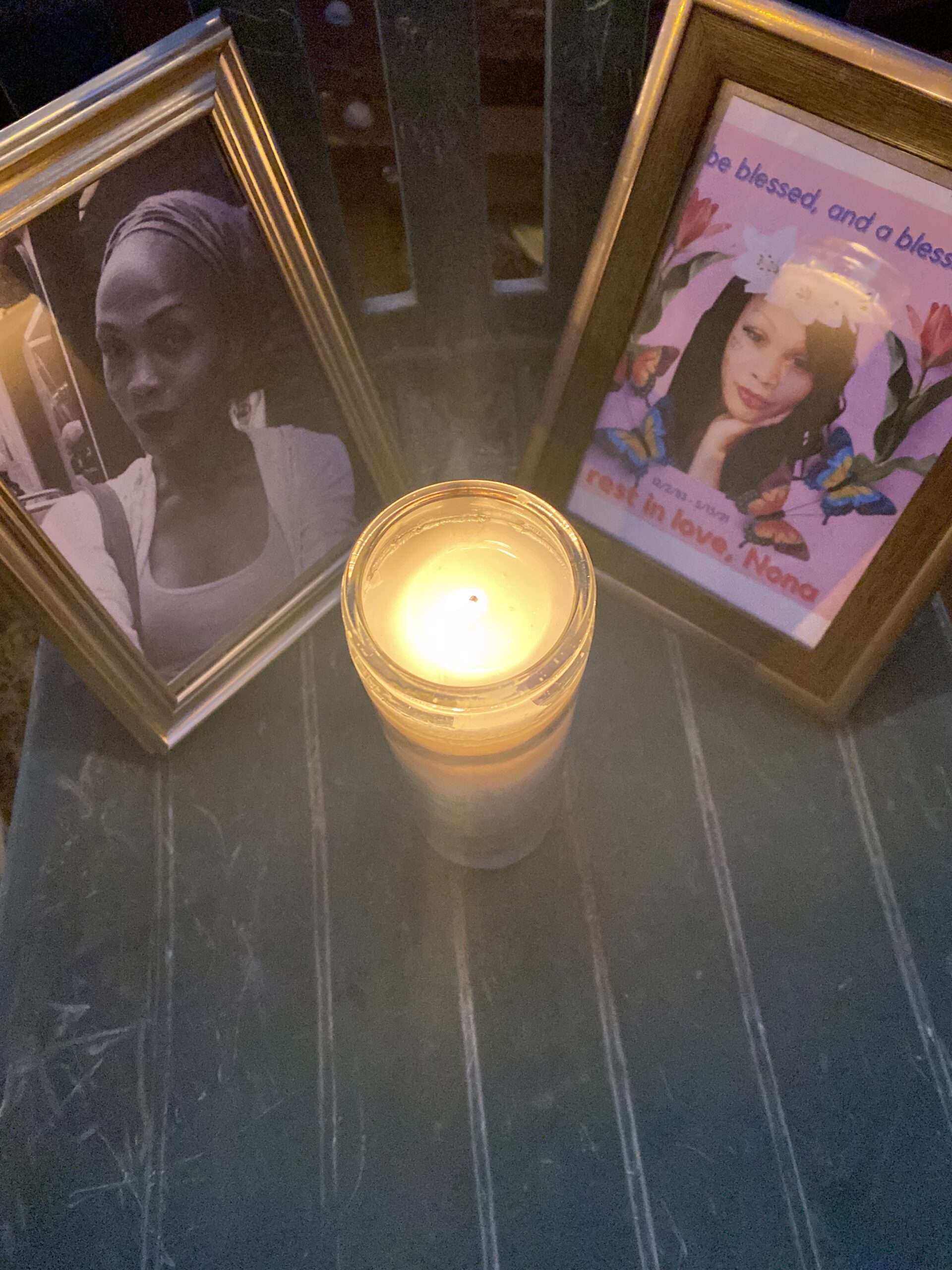
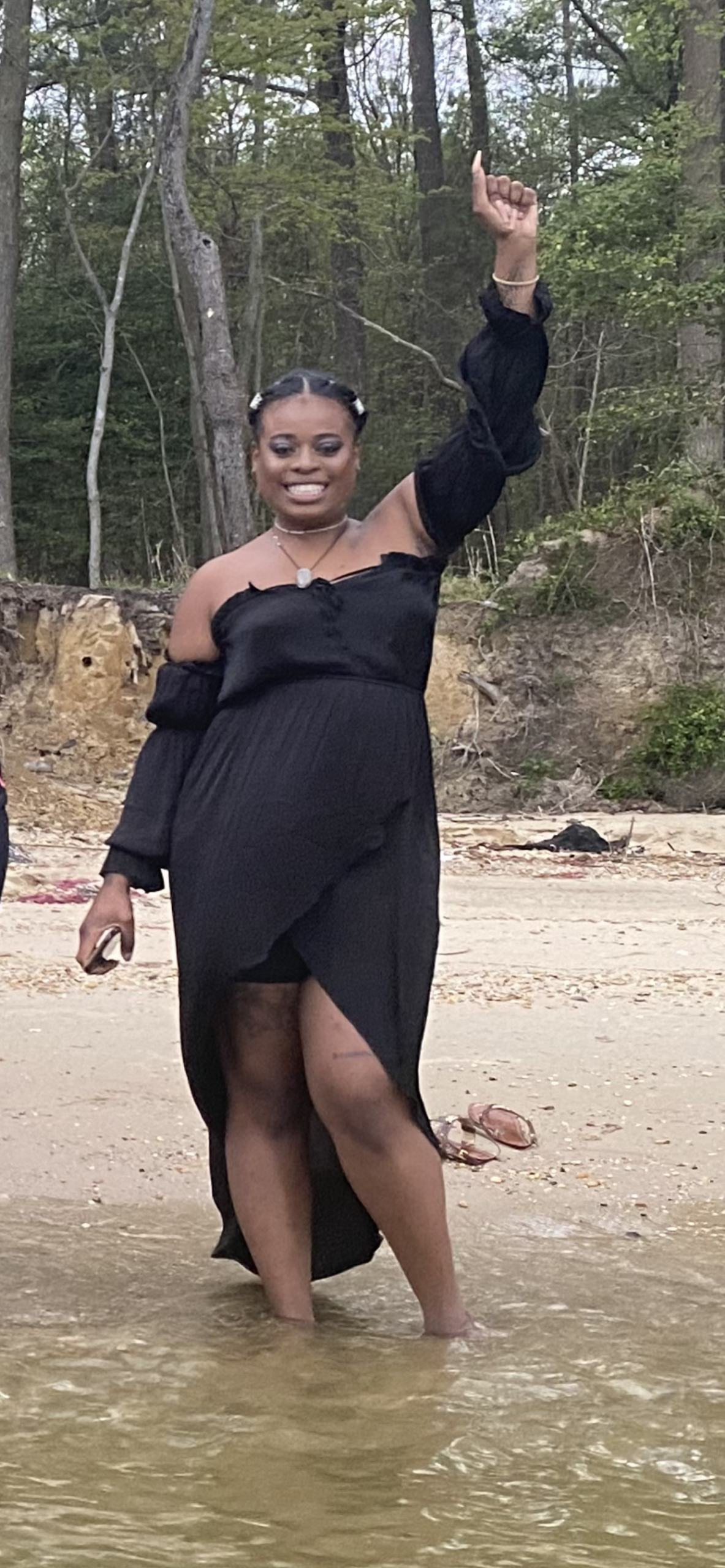
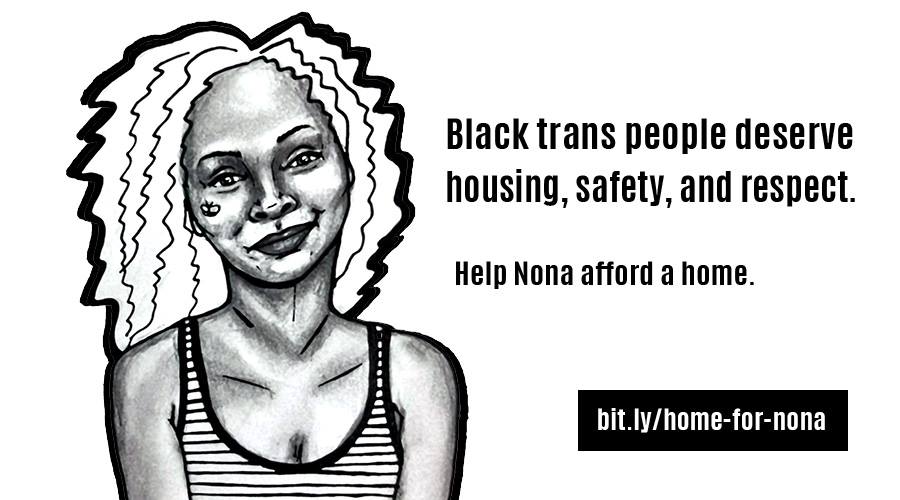
Our beloved friend, sister, caregiver, comrade, and coworker Nona Moselle Conner became an ancestor on May 13, 2021, at the young age of 37. Nona became a part of our team in 2016, when our community rallied together to establish a paid position for her. Up until her death, she helped bring forth so much brilliance to our DecrimNow campaign, anti-harassment efforts, and our Safe Bar Collective jobs program. In her final days, she’d begun curating an arts-based storytelling project for sex workers impacted by the pandemic, and was actively facilitating No Justice No Pride house management and mutual aid requests amidst managing her own health and financial challenges.
She gave endlessly and without hesitation, always reminding us to “be blessed, and a blessing,” because she believed deeply in giving back to her community of Black trans women and sex workers. Though she would sometimes get nervous, she loved speaking out in public against the violence Black trans women faced, and frequently uplifted the humanity of sex workers and interrogated the ways state violence interrupted the livelihood of her people. Nona was a compelling and irreplaceable force that illuminated each space she entered.
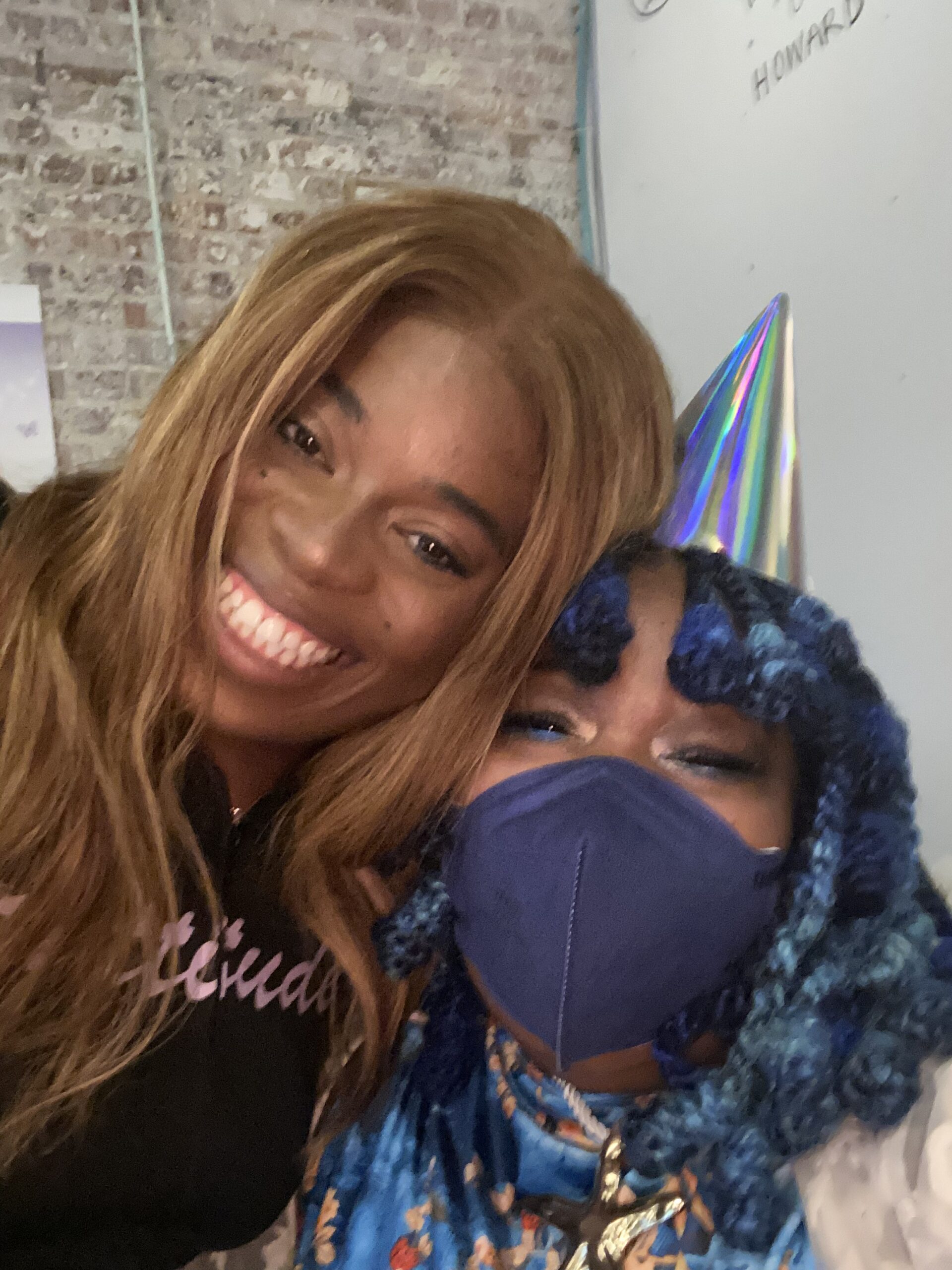
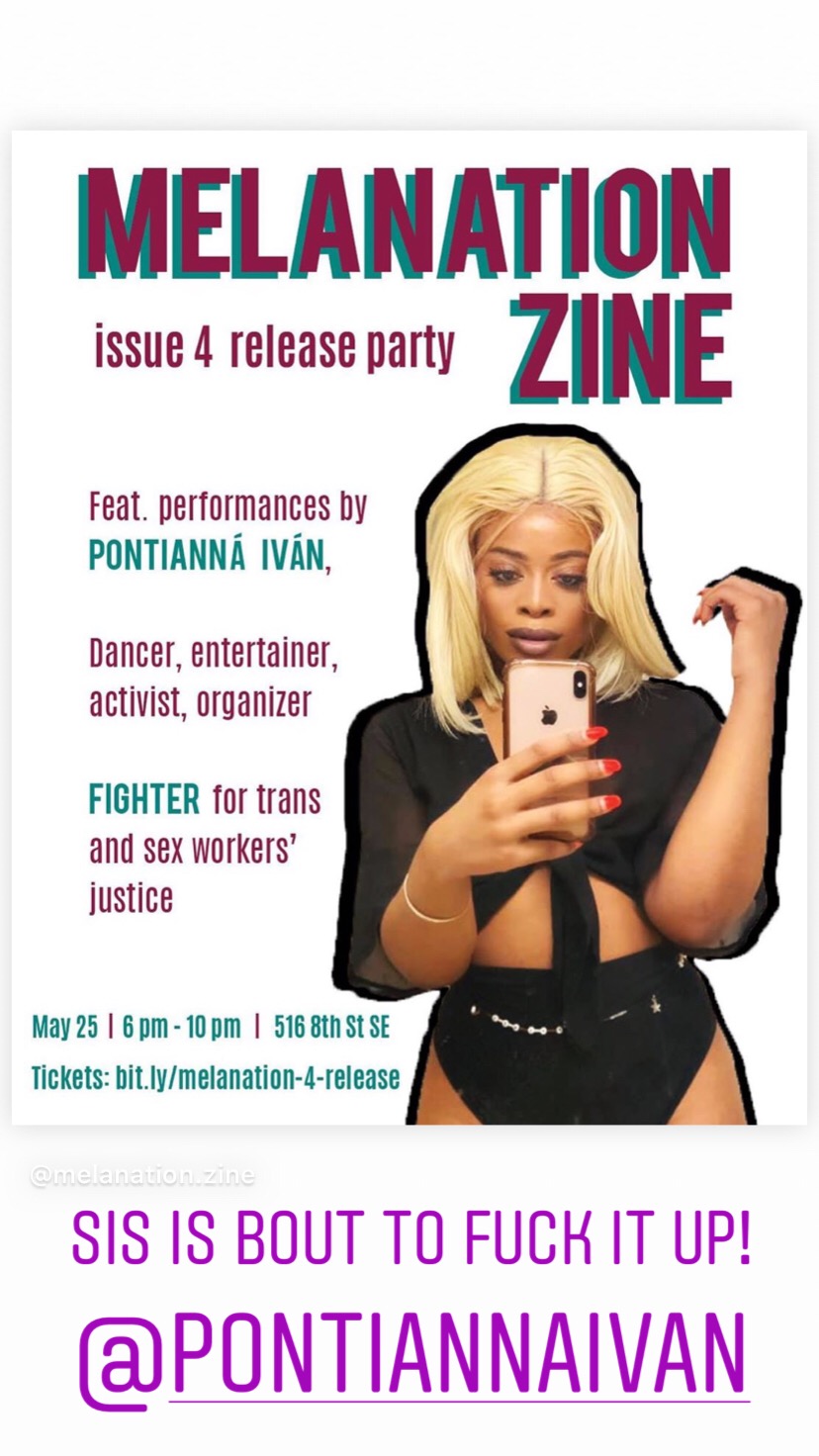
Pontianna Ivan passed away on August 1, 2025 from a heart attack. She was 28. She immigrated from Zambia to Maryland at a young age, and became a part of the CASS team via the DecrimNow campaign. She was a brilliant organizer, communications specialist, and entertainer. She often spoke out at rallies, performed at campaign events, and organized her fellow community members to show out at events.
“She could flip anything into something beautiful, with a burning optimism flowing through her like her life depended on it. She gave freely from her heart, loved cooking for others, singing and dancing, her cat and all animals, and gabbing about her spiritual downloads. She commanded attention even in her sometimes quiet, pensive demeanor, holding compelling stories about her experiences with being a Black trans sex worker who immigrated here from Zambia. She was so creative, always blooming with new project ideas for her business Ivan Entertainment. She contributed SO much to CASS, to DecrimNow, to Casa Ruby, to NJNP, and to the Black liberation movement in DC.” – Statement from Je’Kendria Trahan’s personal Instagram
We honor both Nona and Pontianna as core parts of the CASS journey and legacy. We miss them both, and hope that they will continue to live on through the work our community does to protect and defend Black trans survivor’s safety and wellbeing.
Link to Nona’s public memorial archive
Link to Pontianna’s public memorial archive
We also honor and elevate all of our trans and queer siblings that we’ve lost to state and interpersonal violence, and carry their memories as inspiration to keep fighting for safer communities for all oppressed people.
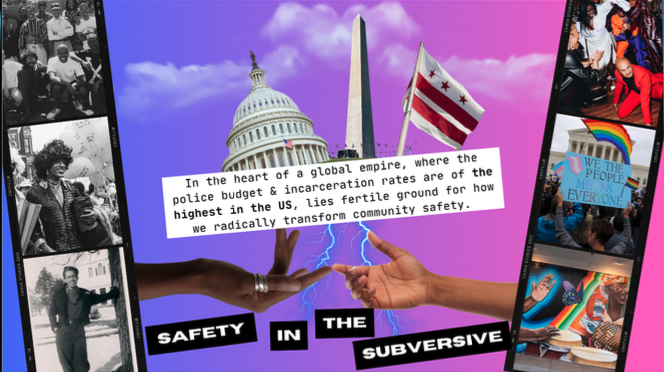
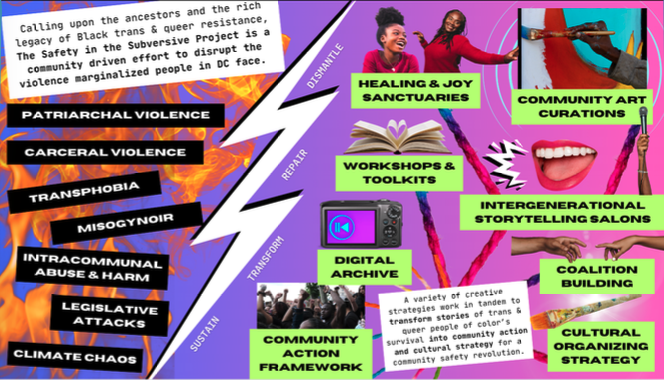
In 2024, Collective Action for Safe Spaces began developing and fundraising for a new multi-year project built on the legacy of the organization itself. The Safety in the Subversive Project was gearing up to be a cultural organizing effort to tap into indigenous methods of abolitionist community safety by way of healing salons, intergenerational storytelling, interactive multimedia projects, art & mutual aid pop-ups, and a community action framework that included both local and federal policy demands.
The Safety in the Subversive Project aimed to usher in a cultural shift towards more communities taking collective action to keep each other safe without replicating the state. The program was designed to interrogate the current era of individualism, late stage capitalism, and widespread fascism that has produced widespread anti-Blackness, transphobia, interpersonal harm, and patriarchal violence towards marginalized people of color. The project wanted to revive unique models of care, communalism, and safety; in an effort to provide a more visible answer to the “how” of community-driven alternatives to the carceral state.
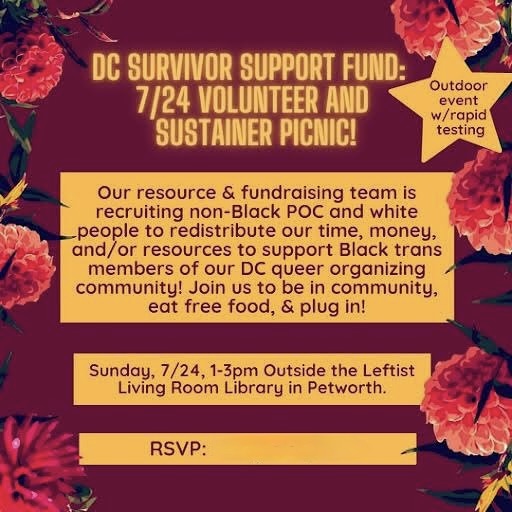
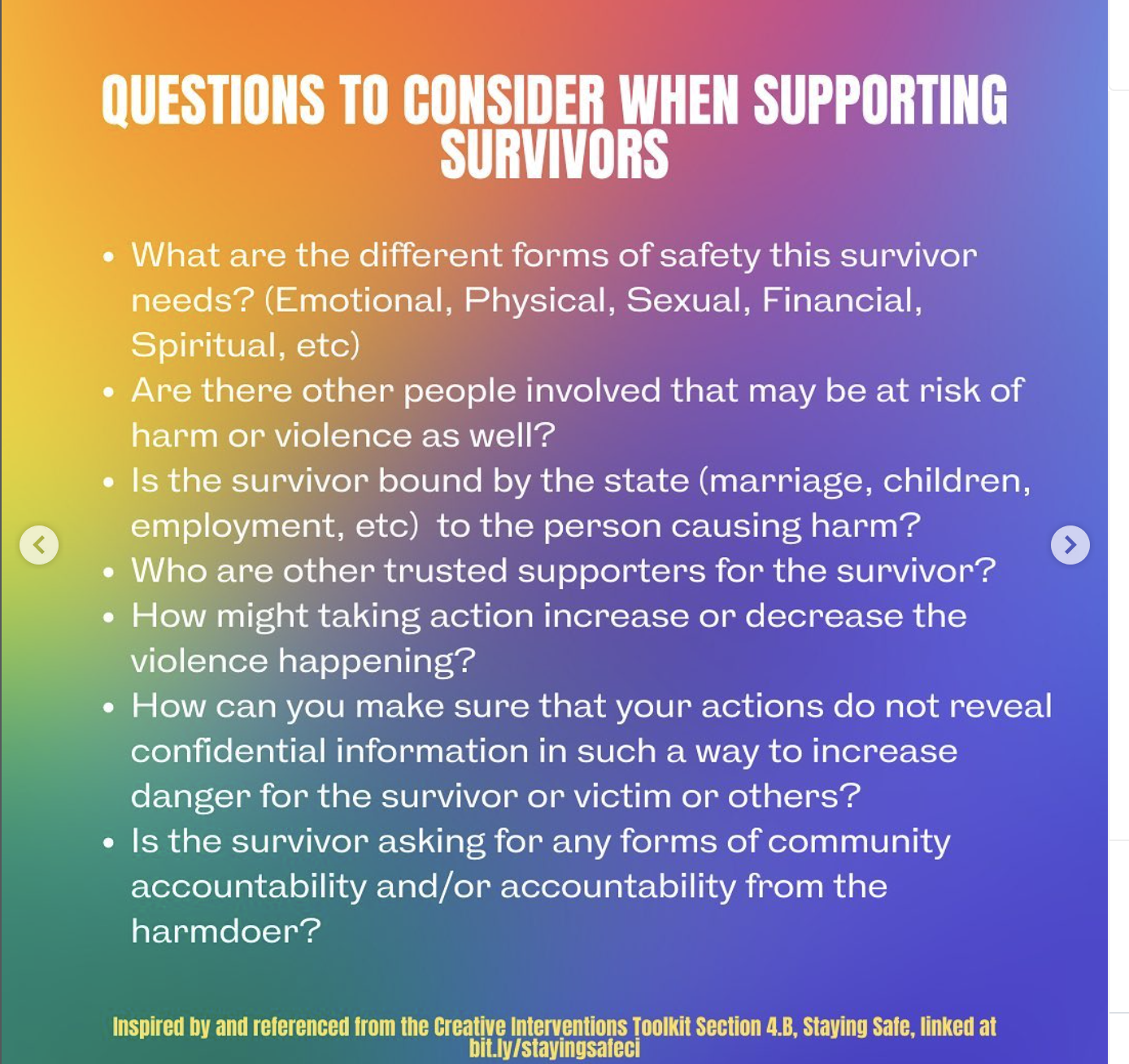
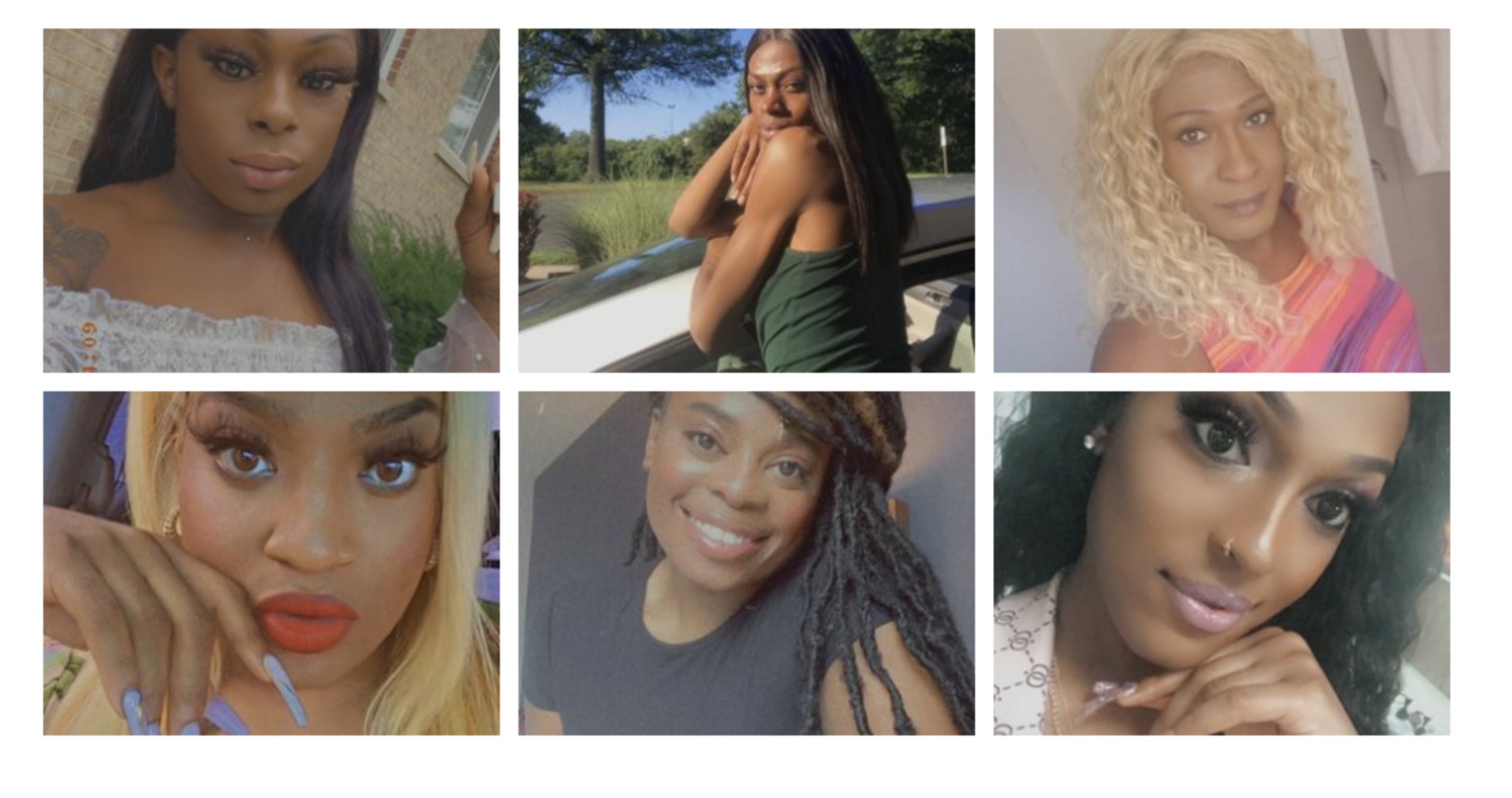
In the wake of Nona Connor’s death in 2021 and a sounding alarm from Tamika Spellman, individuals from our organization and the larger DC movement community embarked on a cross-collective community accountability process. This was on behalf of seven Black trans women (including Nona) who were impacted by violence, exploitation, and abuse from a local sex worker collective.
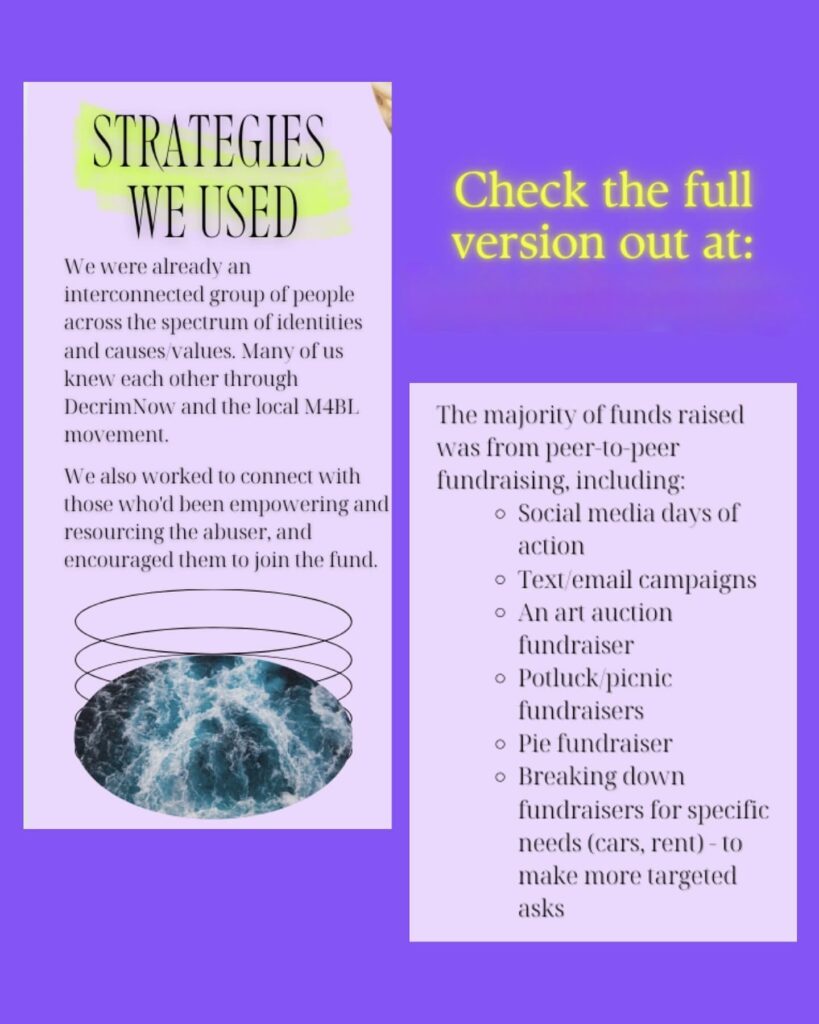
For more than two years, this dedicated group of supporters rallied behind survivors to support their material needs through curating fundraising groups & community events, supporting in paying bills, managing housing needs, organizing ride shares, demonstrating emotional support, sharing mutual aid individual grant opportunities, and setting up social supports for survivors.
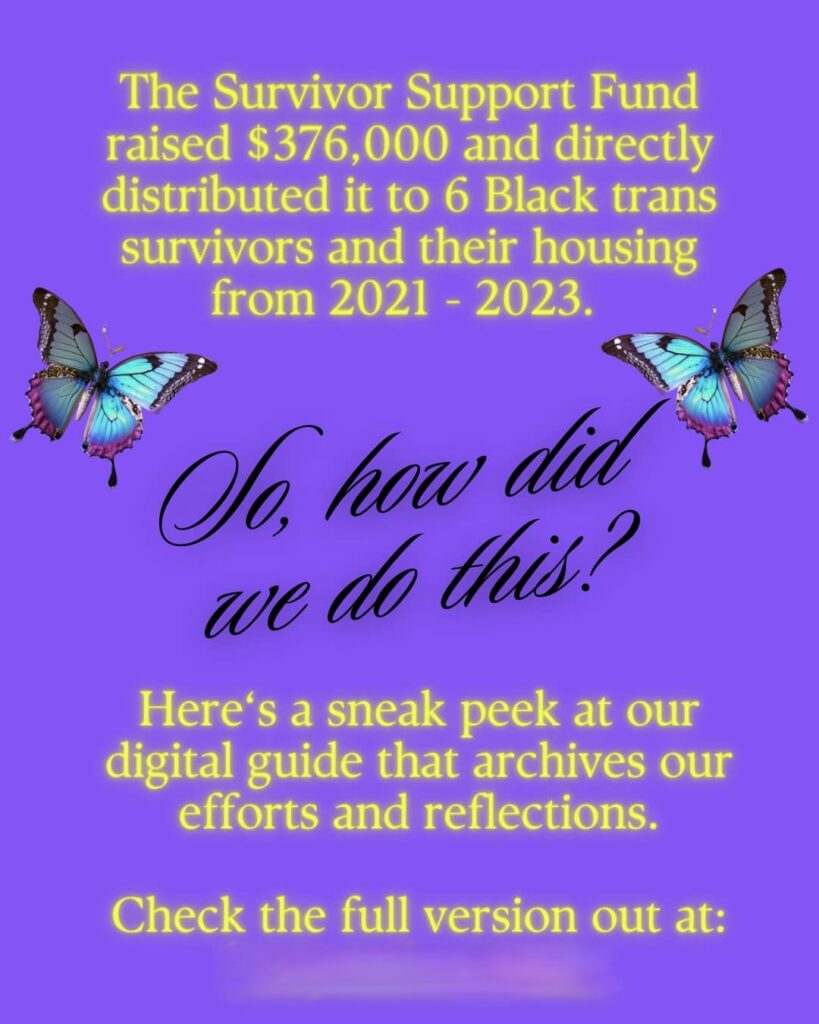
The Survivor Support Fund raised almost $400,000,000. The funds went directly to 6 Black trans survivors over a two year period through monthly cash distributions, rent payments, car payments, legal support, and a fellowship program.
The majority of funds raiders was from peer-to-peer fundraising, including:
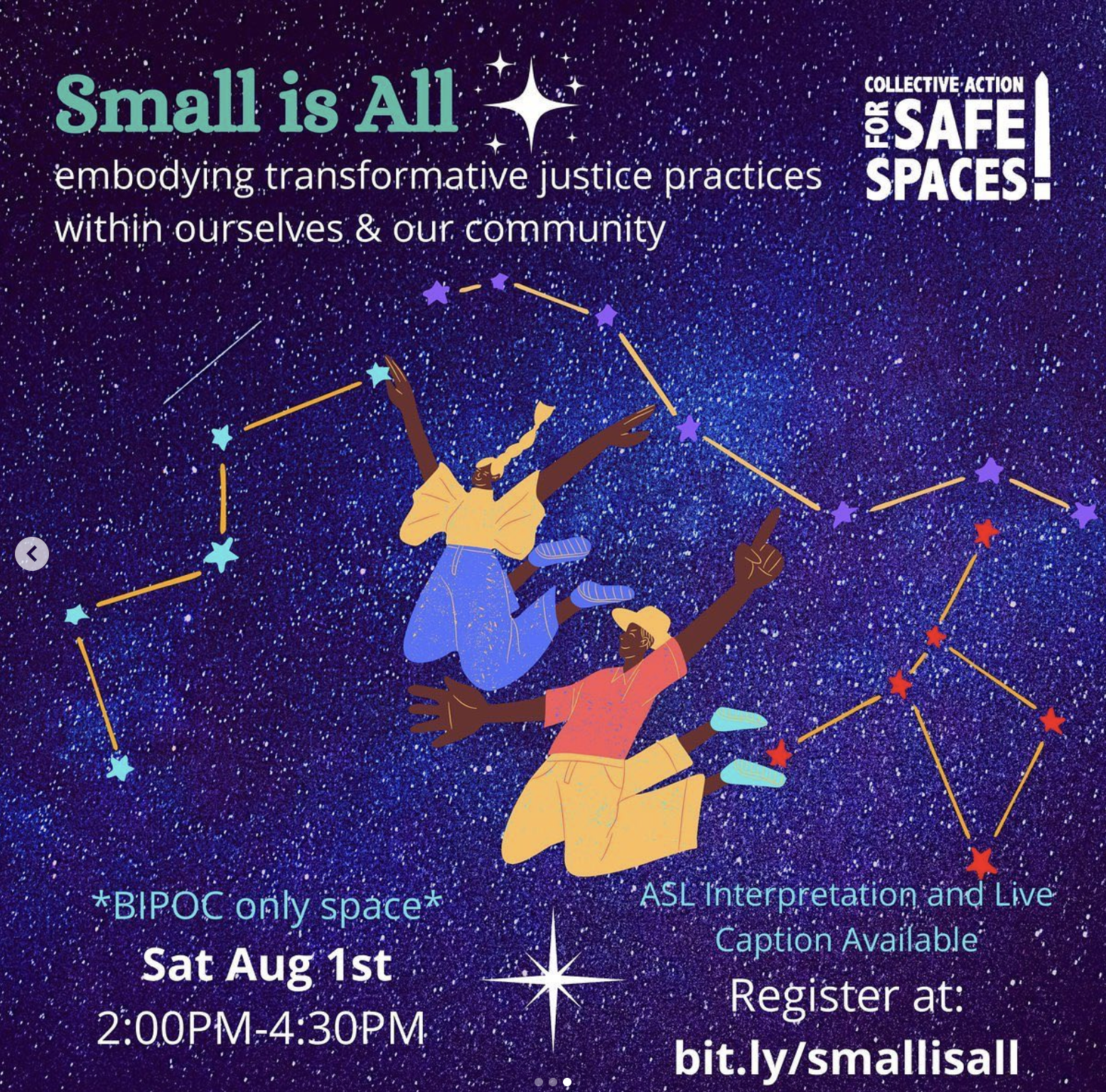
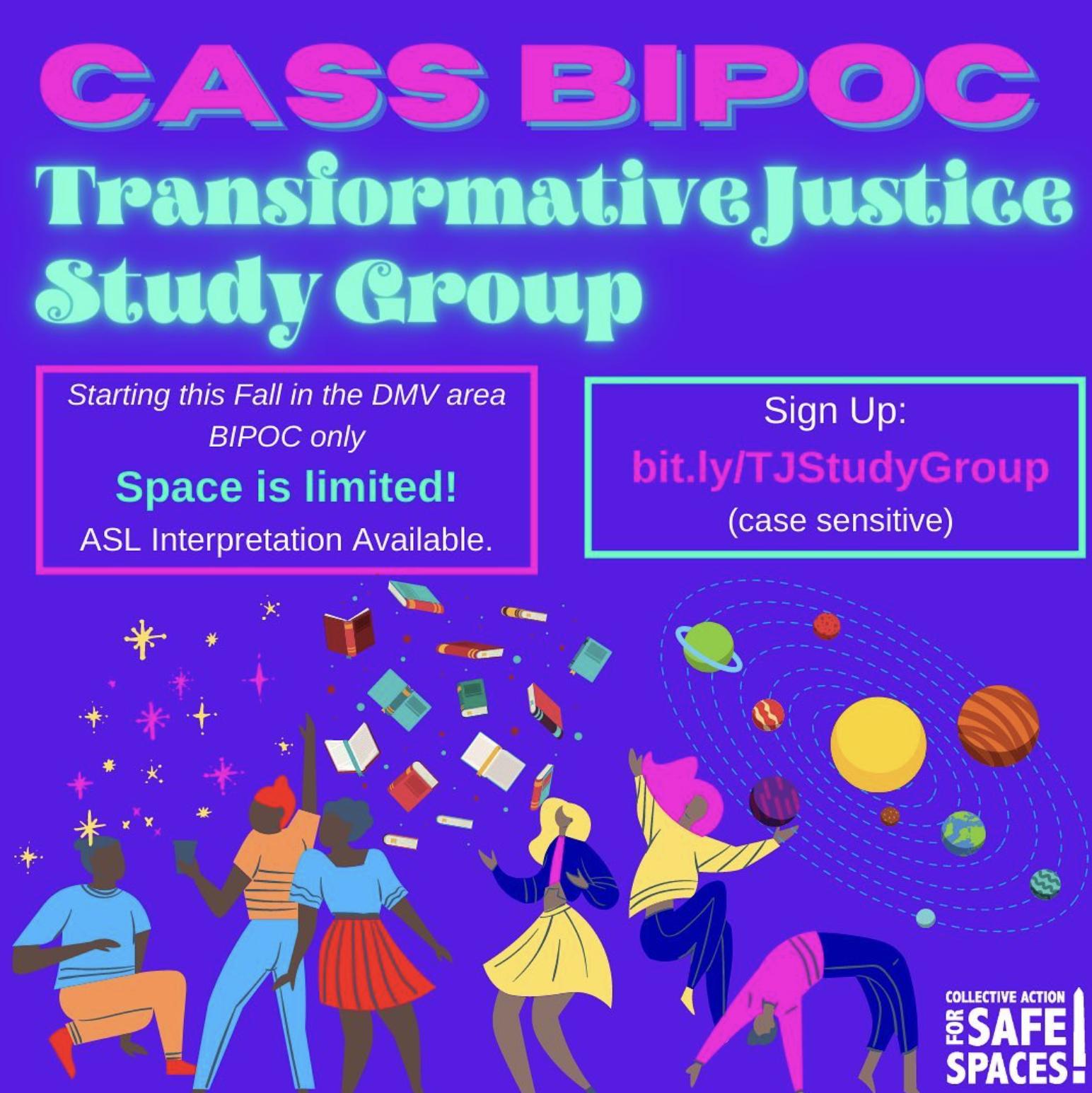
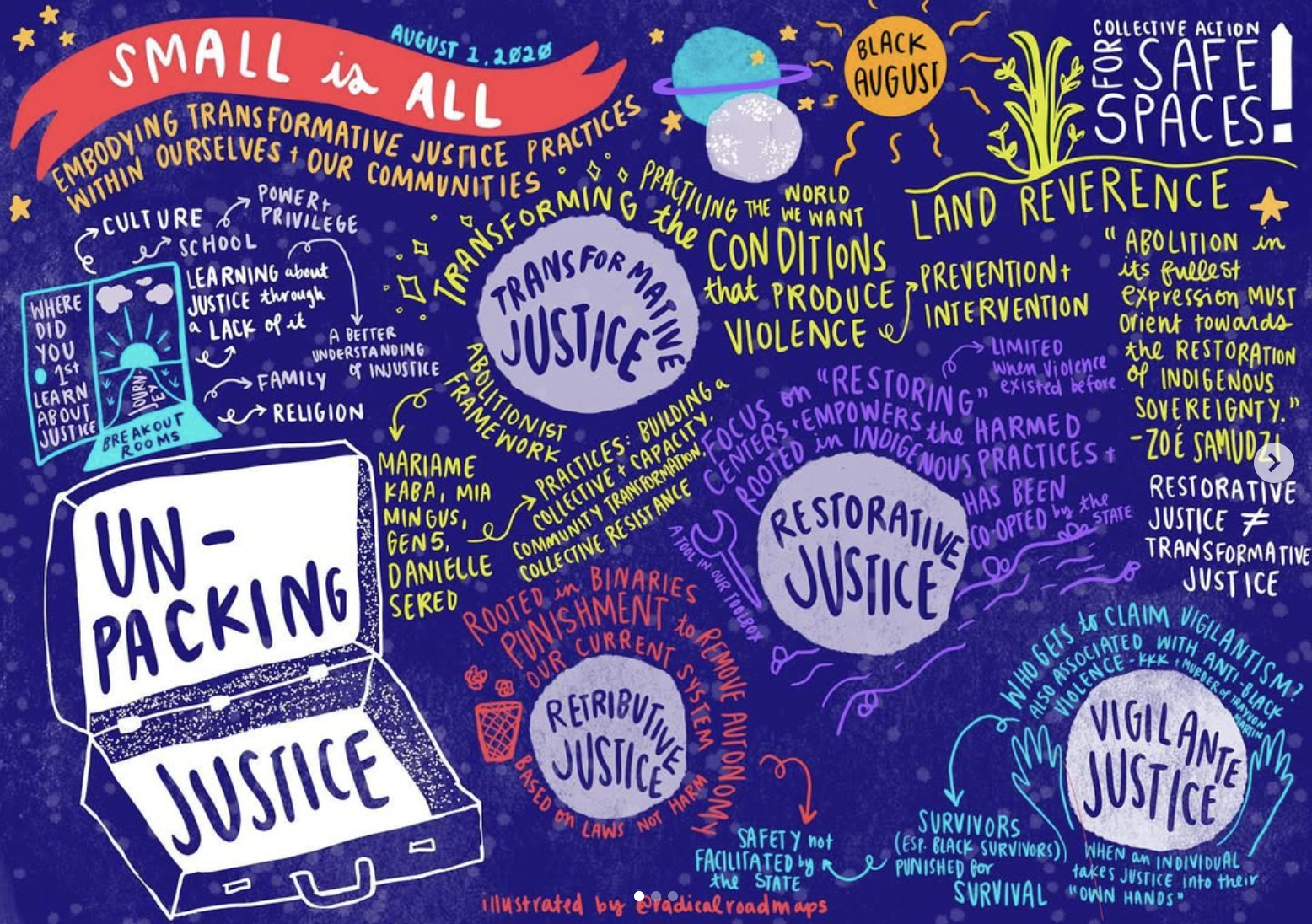
The Transformative Justice Hub was first planted by interim Executive Director, alicia sanchez gill in 2019, and cultivated by incoming Executive Director, Je’Kendria Trahan in 2019. This was our first grant funded project in organizational history, which allowed us to hire more full time staff. Our transformative justice (TJ) hub was centered on creating a tangible ecosystem of community-based support that serves as an alternative to the criminal justice system for survivors who are Black, indigenous, and/or a person of color (BIPOC) and identify as woman (trans and cis) and/or LGBTQ. One aspect was conducting a historic needs assessment for survivors in DC, which provided a survivor-led lens on what safety, protection, accountability, and healing look like on their terms. The hub also cultivated a TJ coalition of BIPOC organizers and practitioners to learn and practice together through a monthly study group, trained youth on conflict transformation and community safety skills, facilitated public TJ workshops and community events, and developed an online platform for TJ resources.
The Transformative Justice needs assessment project will continue through the Transform Gender Collective. Follow their IG and website for more updates.
Our Focus Areas
Core Offerings & Initiatives
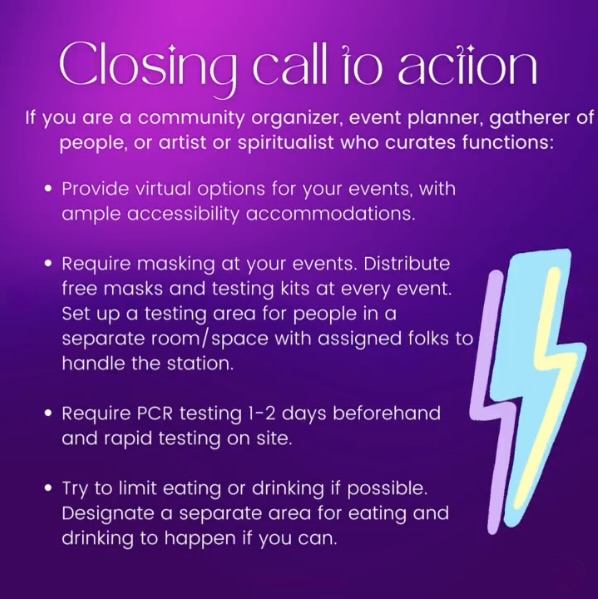
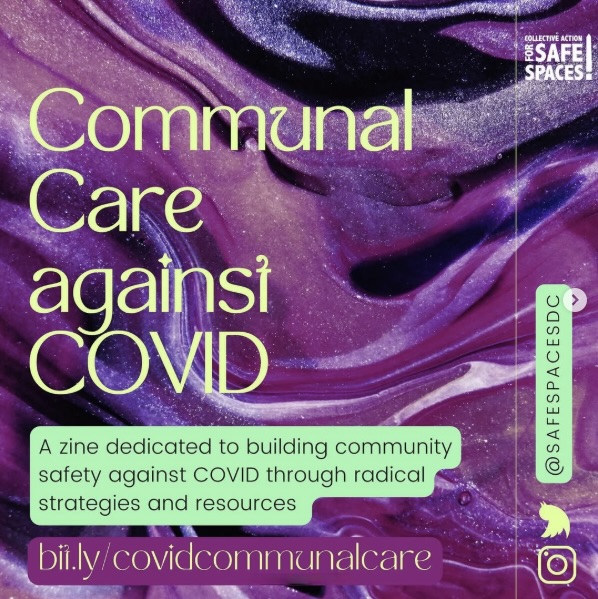
During Disability Pride Month 2022, CASS debuted a community-care-against-COVID digital zine. The zine featured local artists with a widespread collective impact. As a digital guide, the zine was shared across platforms and sought to uplift the radical approach of the CASS community in responding to the lack of care for disabled survivors during the pandemic.
From the first zine: “We’ve been abandoned by the state. It is a counterrevolutionary act to move as if the pandemic is not still a very real threat to our lives. Yes, it’s been tiring. Yes, it’s been an inconvenience. But is it worth it to ignore the death machine around us? We are all accountable to remedying this neglect so that marginalized disabled survivors can navigate community with less fear and risk.”
The zine series, Communal Care against COVID, highlighted the impacts of COVID, provided a space to grieve and be angry about the state of the world, battle misinformation, develop care plans and communications for someone gets COVID, and ignite more action toward COVID safety.
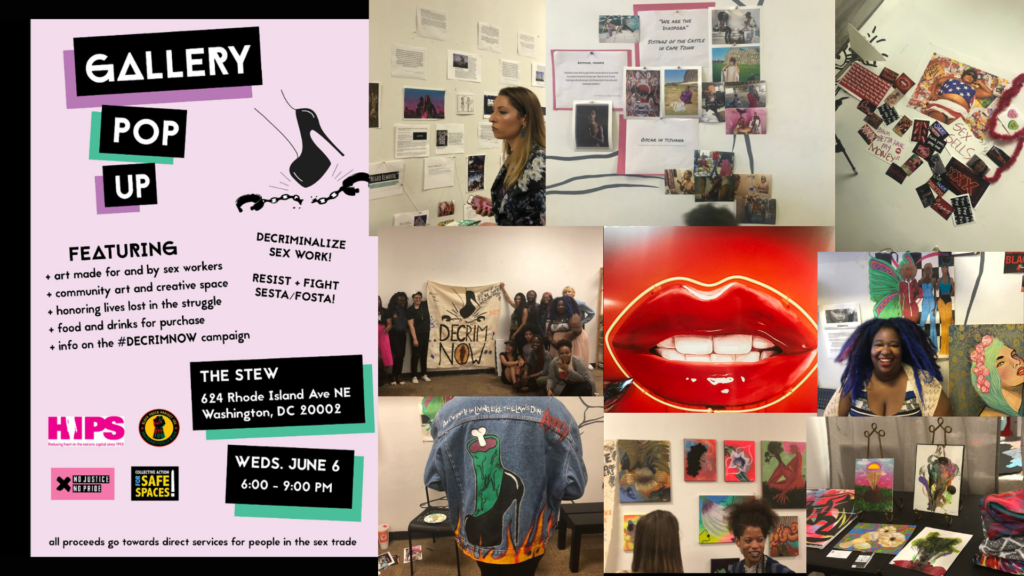
Beginning in 2017, more than 16 organizations collaborated to form the Sex Worker Advocacy Coalition (SWAC) and to write and organize around a historic bill that would decriminalize sex work in DC.
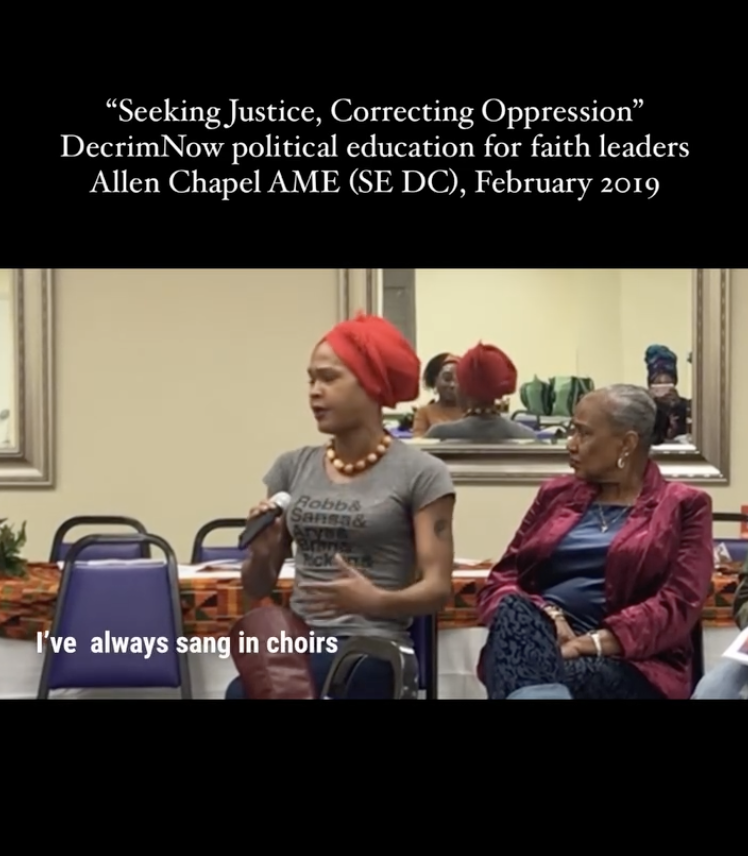
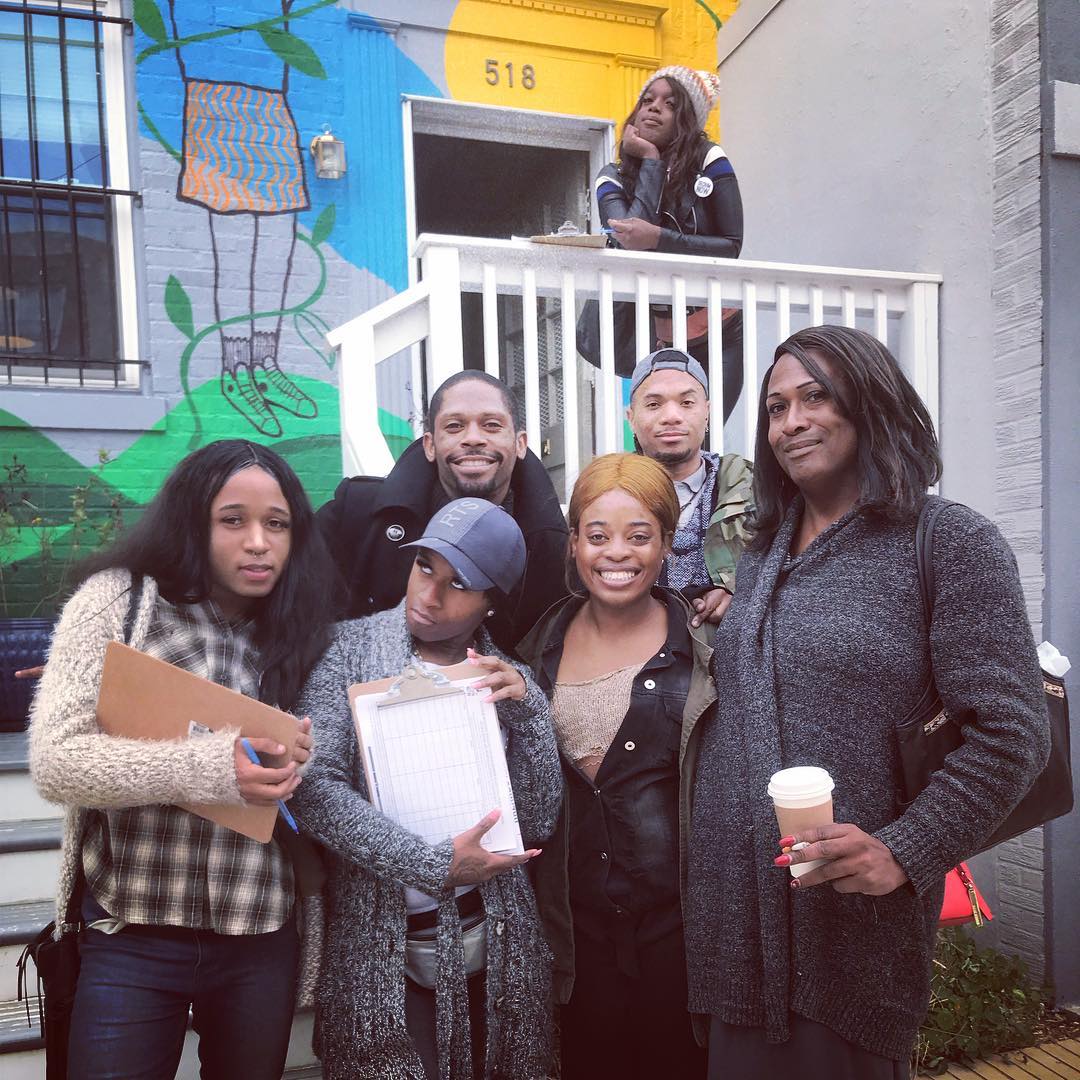
Through organizing led by queer and trans sex workers and people of color, SWAC and CASS organized our community over three years through sex worker speak-outs, arts and education events, canvassing across the city, and testimony writing workshops.
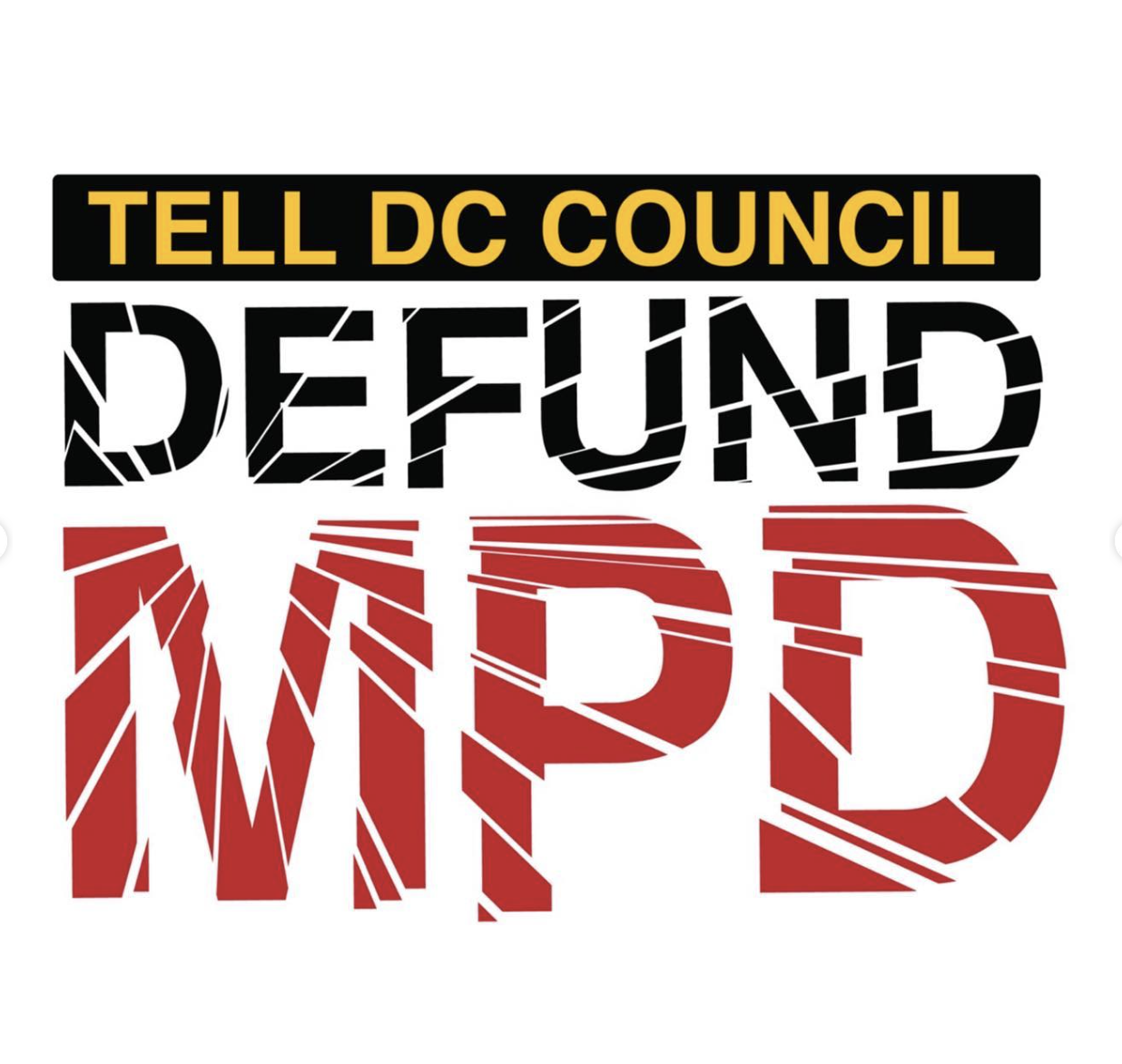
In June 2019, SWAC reintroduced the “Community Safety and Health Amendment Act of 2019”, the bill to decriminalize the survival of people in the sex trade by removing criminal penalties that would decrease police harassment and abuse towards sex workers.
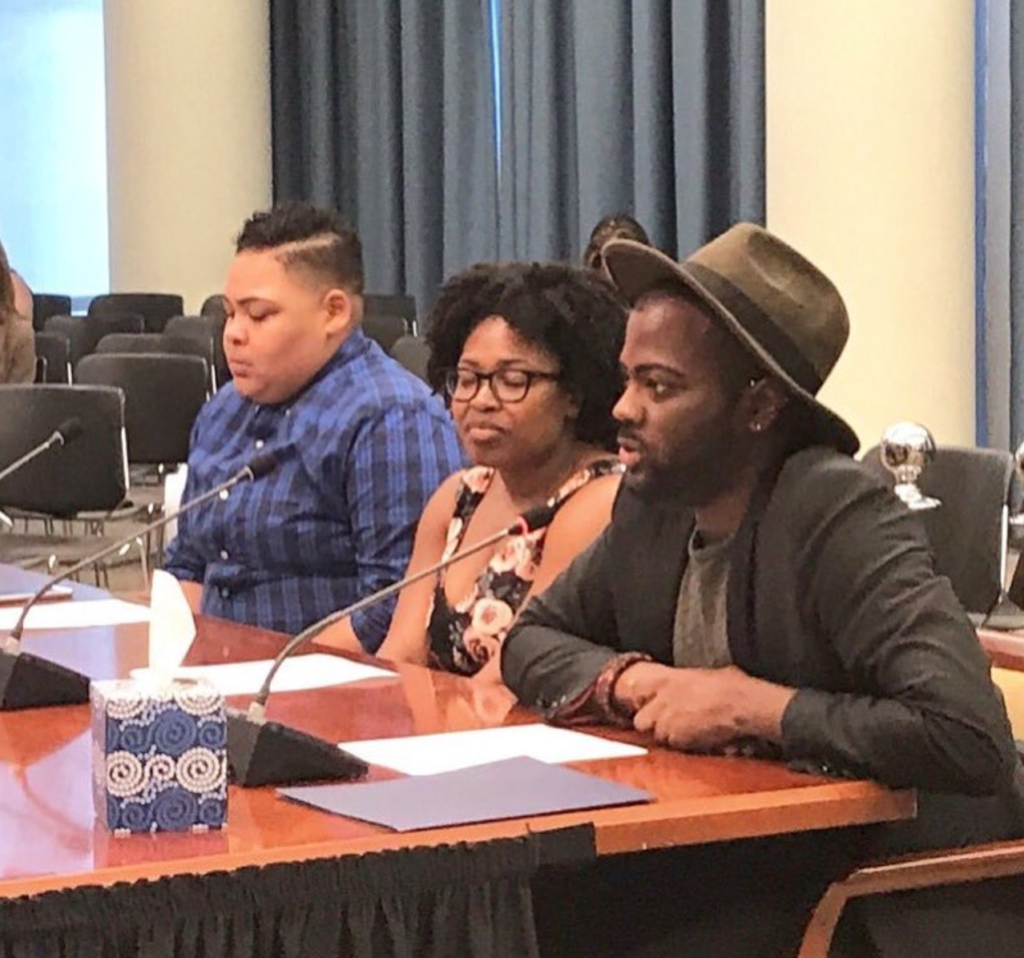
In October 2019, the DecrimNOW team provided 172 testimonies, thousands of resident signatures in support, and over 15 hours of labor advocating for the safety of people in the sex trade during a historic city council hearing to decriminalize sex work in D.C. This hearing made international waves, where opposition invited people from all over the world to attend and challenge the bill, and many other sex work decriminalization initiatives across the world cited SWAC strategies as effective modeling for sex worker-led coalition building.
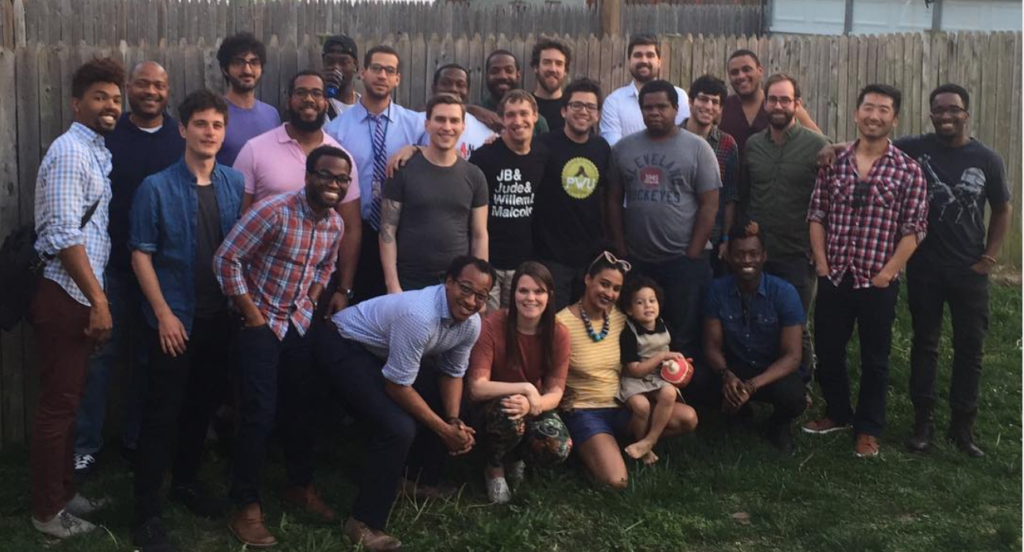
ReThinking Masculinity was a partnership of organizations (ReThink, DC Rape Crisis Center, and Collective Action for Safe Spaces) who sought to address gendered violence by engaging masculine-identifying people in work to promote healthy masculinities. It aimed to build nurturance and accountability culture, make connections between gender norms and gender-based violence, and create an environment where everyone feels responsible for making our communities safe. The program operated under both names ReThinking and ReThink Masculinity
The cohort was a nine-week program for masculine- identifying people that held weekly meetings one a week covering topics including emotional labor, consent, structural violence and relationships.
The central aims of a ReThink course were typically to:
The program trained dozens of men and masc of center folks, and held four cohorts over the course of three years; 2017-2019.
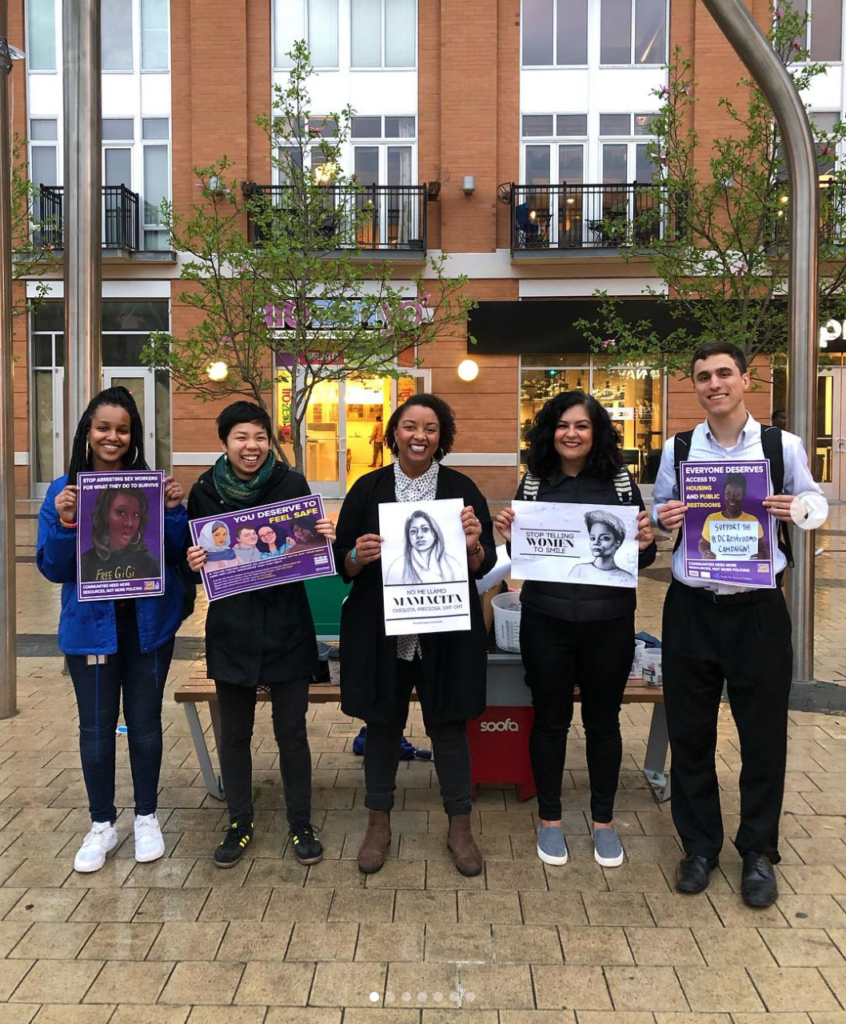
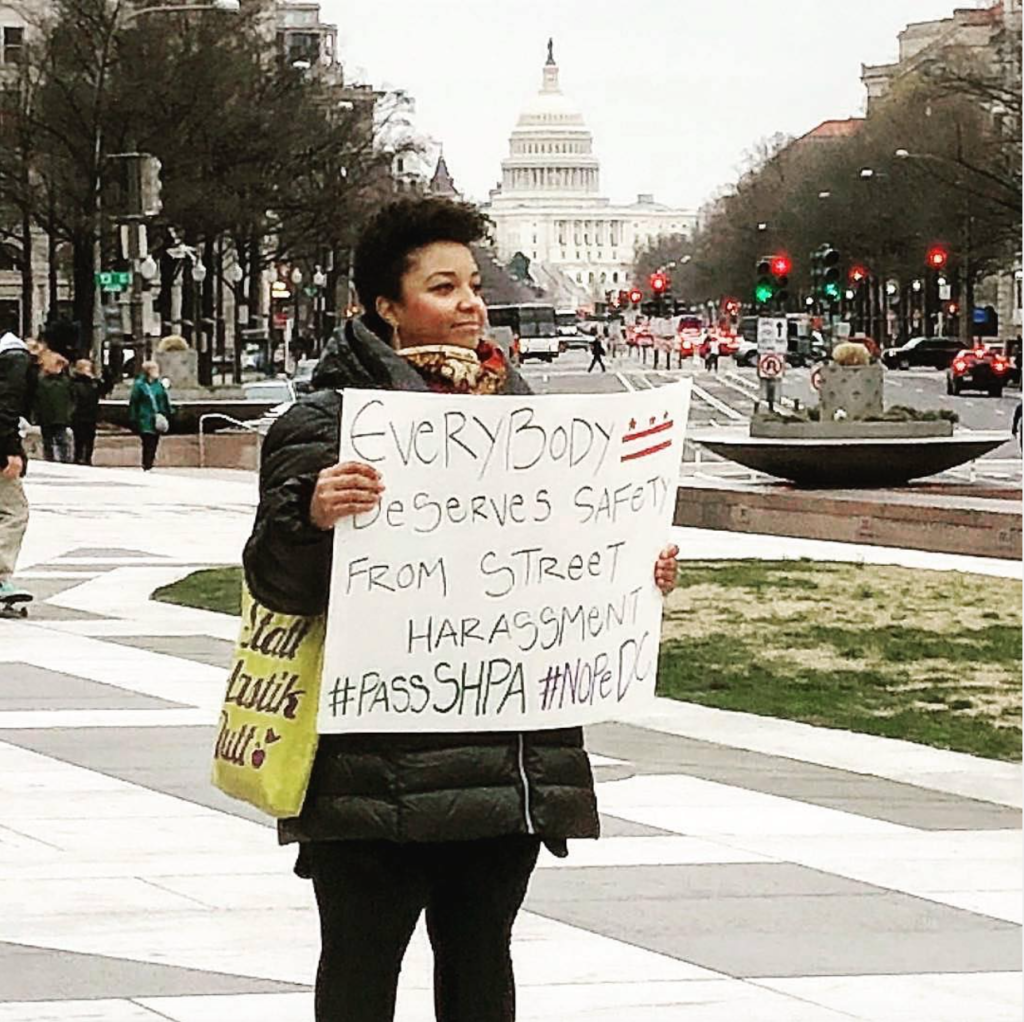
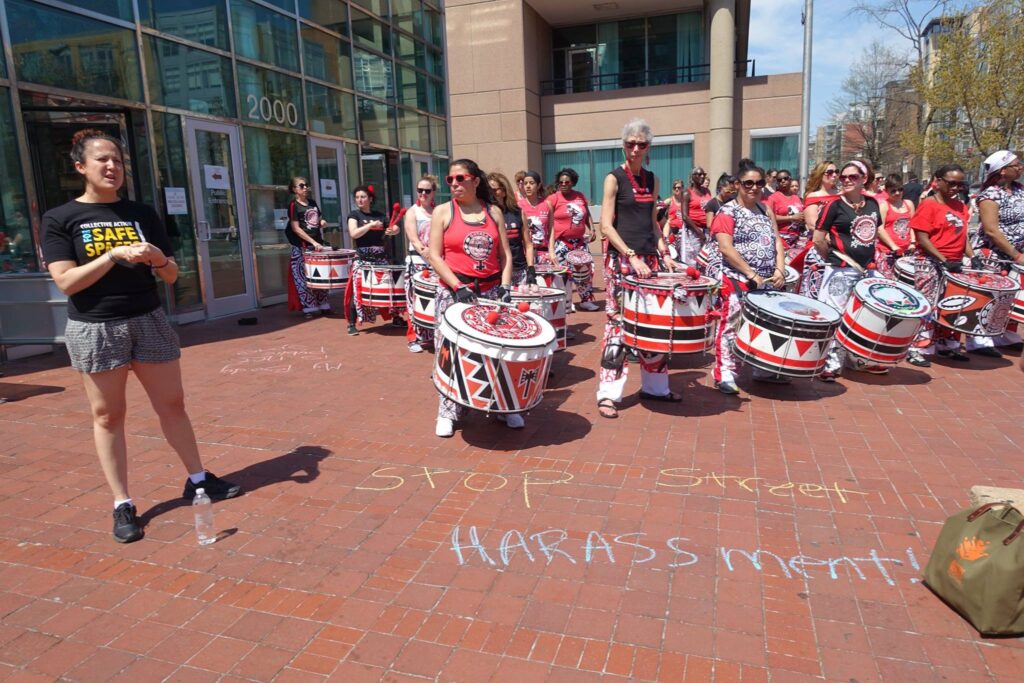
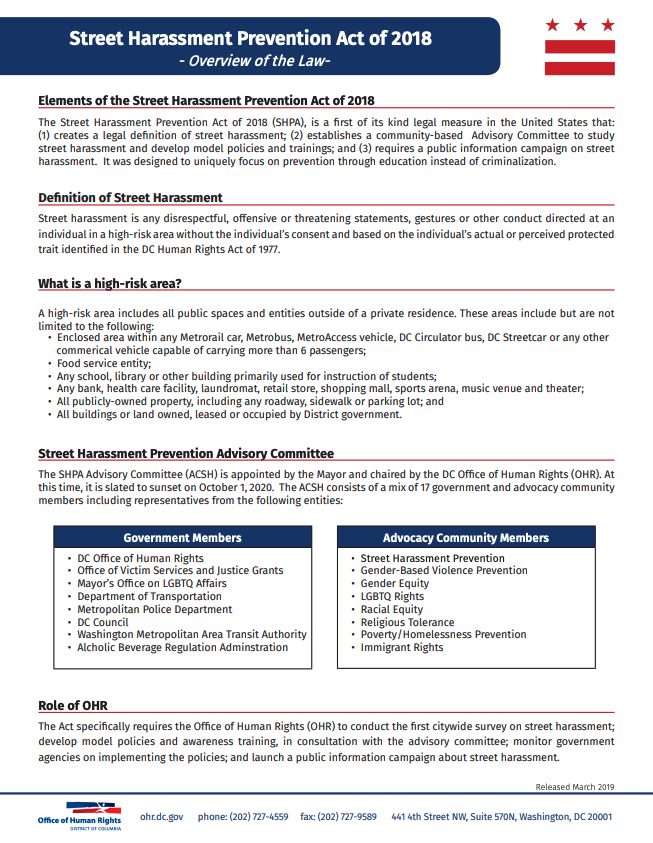
The passage of the Street Harassment Prevention Act (SHPA) was an historic moment for the District of Columbia and the U.S. SHPA created the first legal definition of street harassment in the United States. Alone that would be unique, but SHPA was designed to move the focus to prevention through education in opposition to relying on criminalization.
SHPA came about after Collective Action for Safe Spaces published a policy paper on public sexual harassment and assault. After the paper, CASS began work with DC area community groups and individuals to organize what is believed to be the first roundtable on the topic of street harassment in DC. Dozens of people testified at the roundtable, which was convened by dual committees of the Council of the District of Columbia. The four hour hearing saw individuals testify about personal experiences with street harassment with backing by community based organizations such as CASS and partners, including Stop Street Harassment, the Muslim American Women’s Policy Forum, and the Washington Area Bicyclist Association.
To that end, CASS participated in the End Street Harassment Coalition, a community-led process to draft legislation that became SHPA.
The Street Harassment Prevention Act created an advisory committee on street harassment that would propose policies and/or training materials to be implemented in District agencies; require the DC Office of Human Rights (OHR) to both conduct a citywide survey on street harassment and implement a public information campaign regarding street harassment.
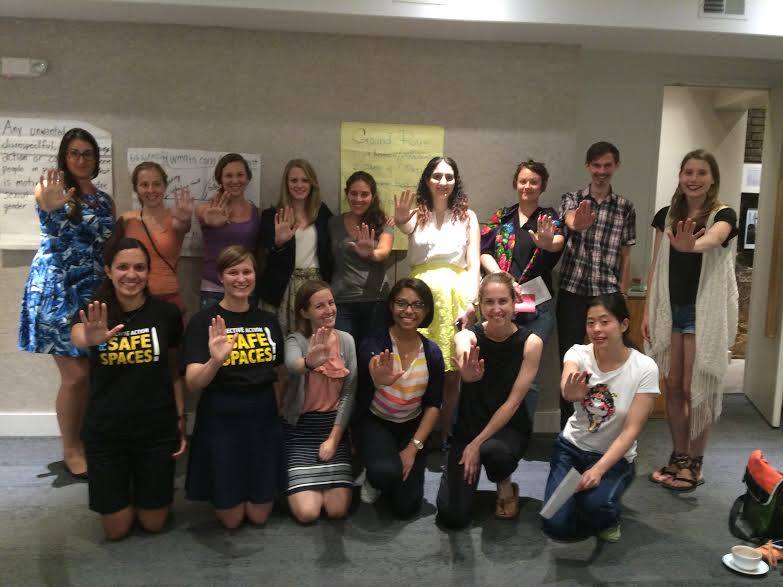
Community-wide change required equipping groups and individuals with tangible skills to address harassment. In 2014, Collective Action for Safe Spaces launched a fee for service workshops program. Thousands of individuals were trained, including those from 150+ businesses, organizations, and collectives across the U.S. Workshops sought to empower people to take action in their own communities –be it at school settings, work settings, or just on the blocks where they lived– to shift the culture of harassment.
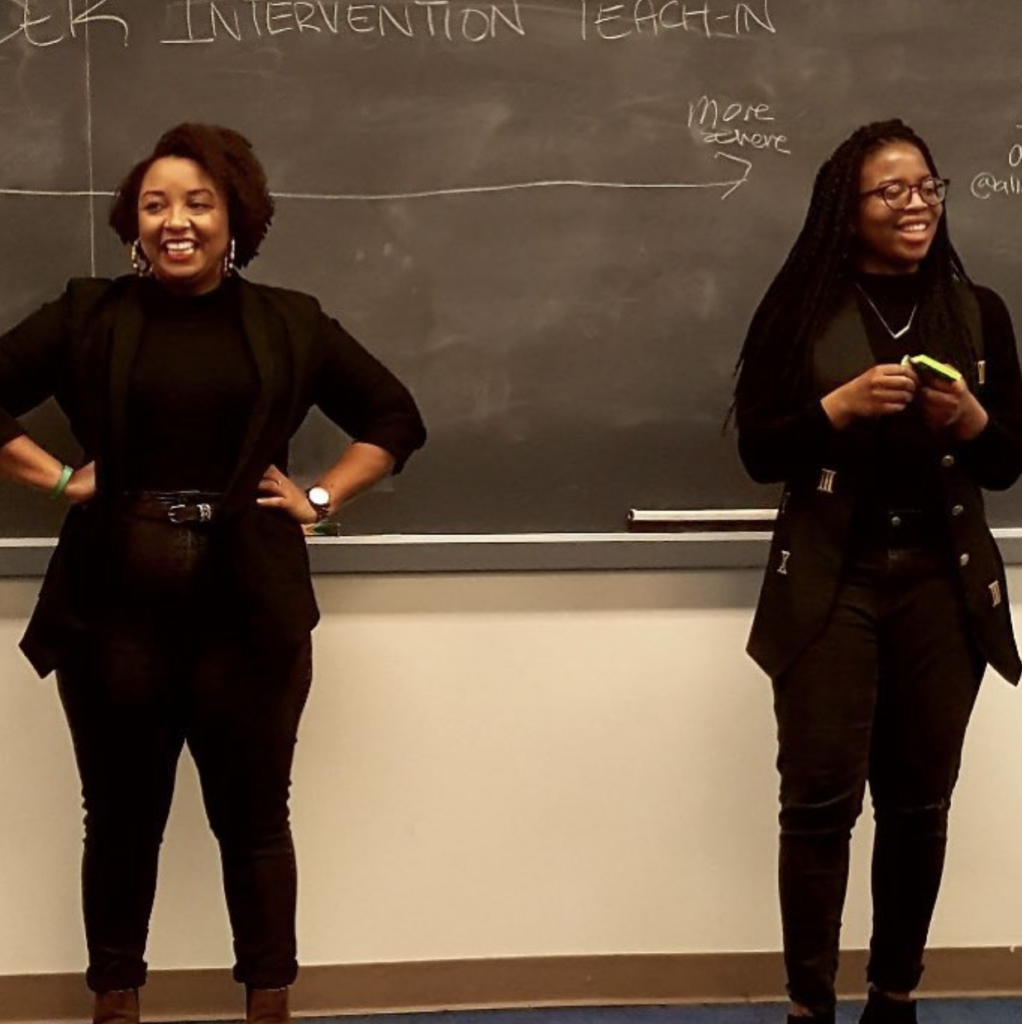
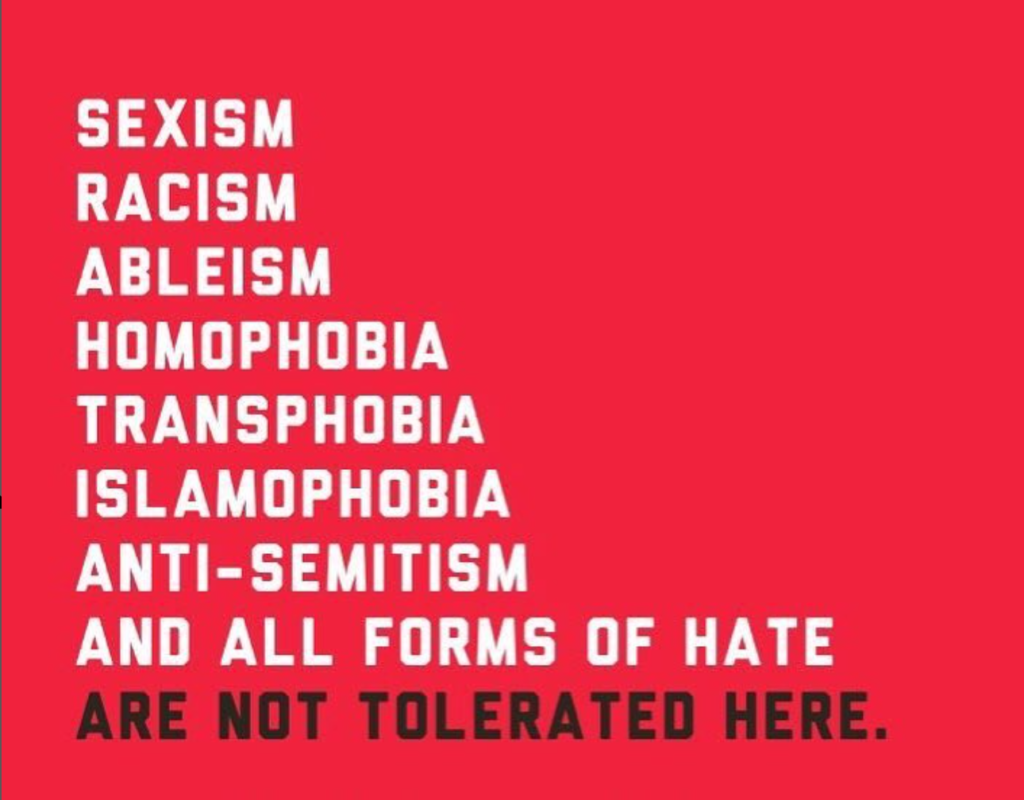
Foundational CASS workshops sought to train participants on addressing anti-harassment in the workplace, within community groups, and in the nightlife industry. Later workshop offerings included technical assistance on transformative justice, anti-oppression, and anti-patriarchy topics. The underlying premise of the workshops was that creation and maintenance of safe spaces required a holistic, responsive, and anti-carceral approach that supported all marginalized people.
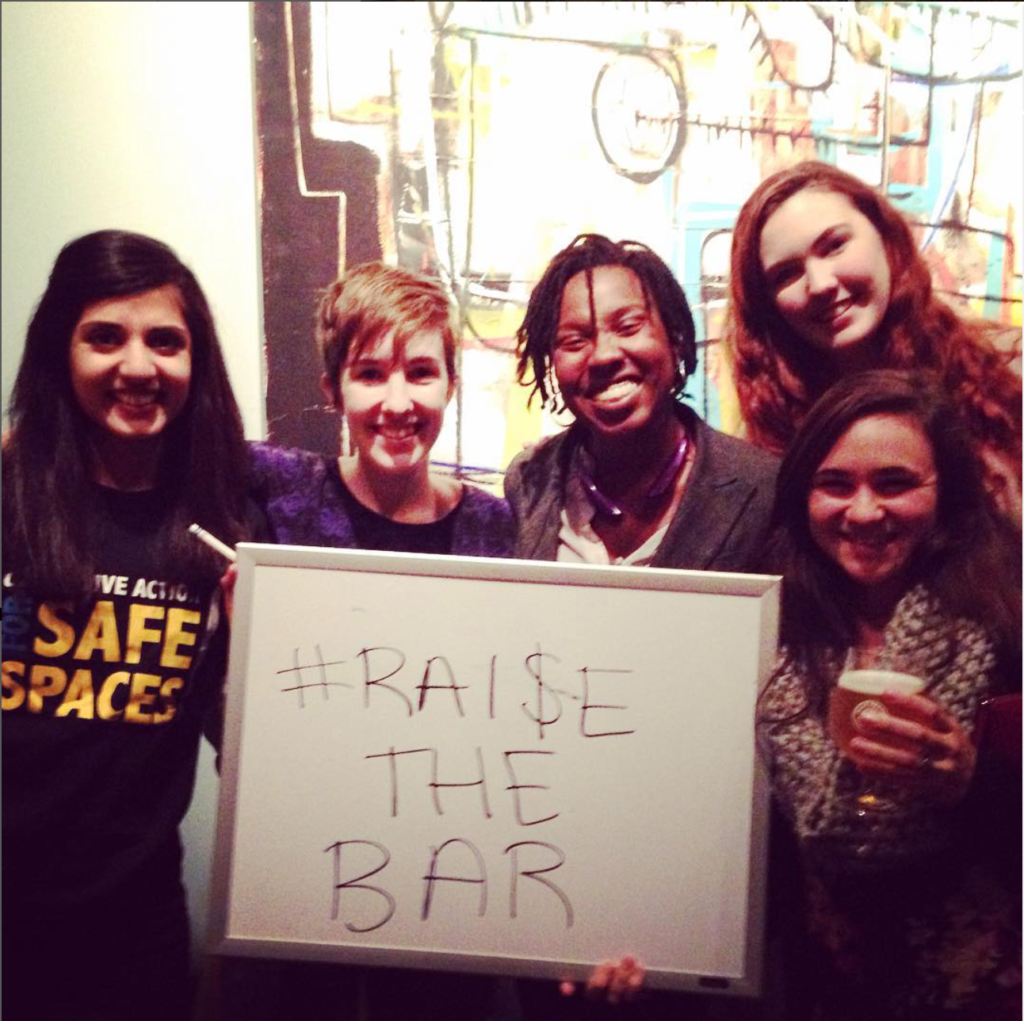
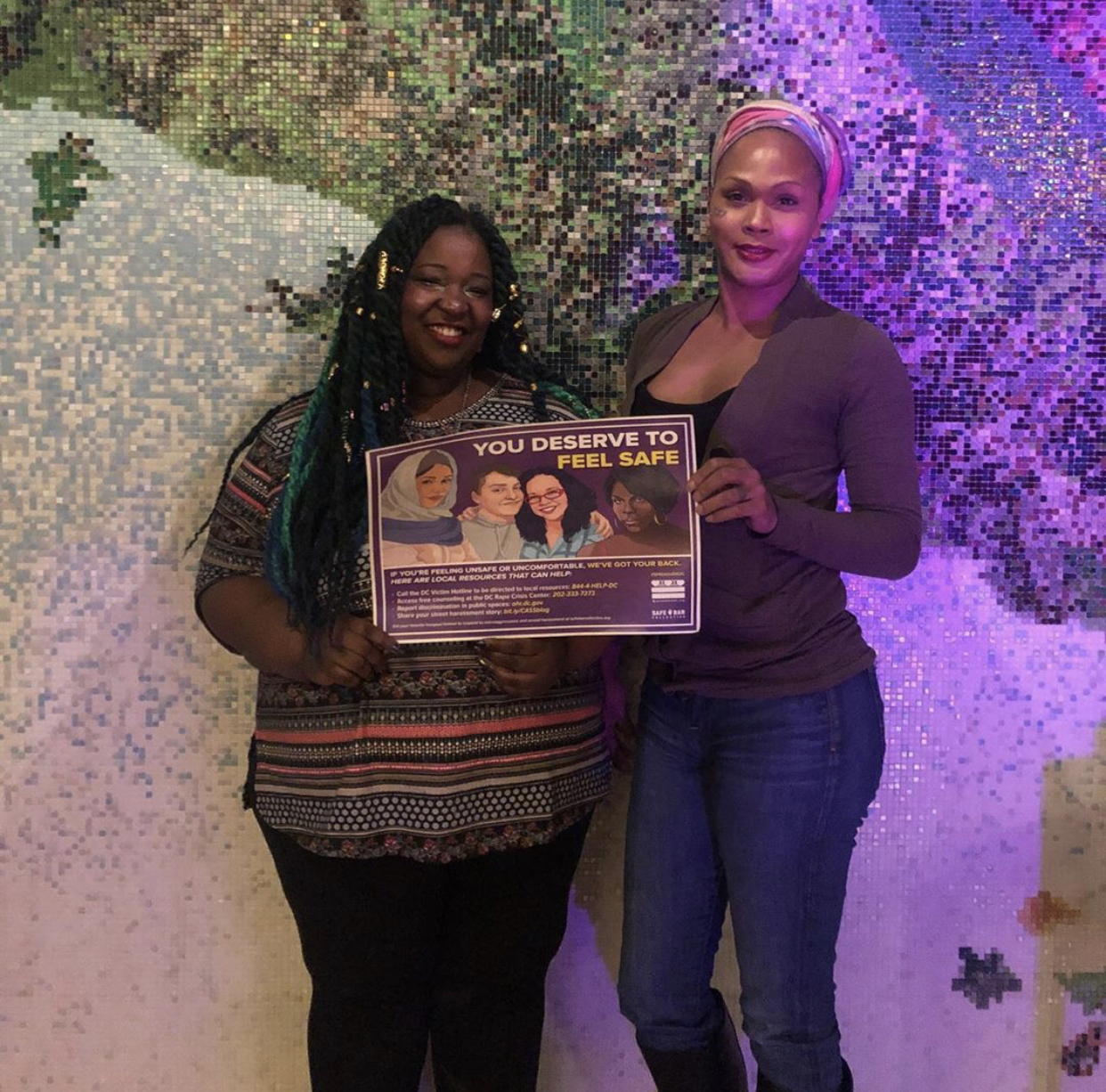
Safe Bar Collective was a full-fledged, stand-alone program beginning with a similarly named program, Safe Bars. This partnership program trained and empowered staff at alcohol-serving establishments to recognize and respond to incidents of sexual harassment and assault among patrons and staff. The Safe Bar Collective became a network of bars, restaurants, and community groups working to make nightlife safer from sexual violence and discrimination. Partner bars had staff trained to use proven strategies to safely intervene to keep staff and patrons safe from harassment and harm, including an expanded conversation on race influence harassment culture.
CASS partnered with ROC DC, a DC workers rights organization, to create job opportunities for trans people of color by training program participants with specific skills to work in bars. By building the capacity of bars and restaurants to support marginalized workers, and actively supporting trans people of color in accessing and maintaining supportive employment, the Safe Bar Collective trained dozens of SBC-certified bars in DC and in other cities over the years.
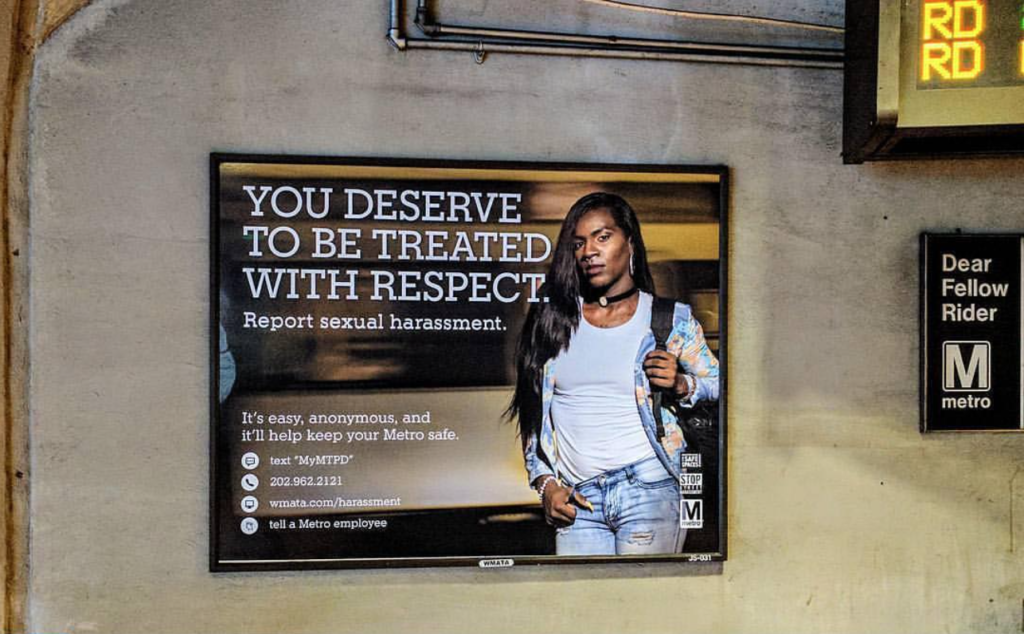
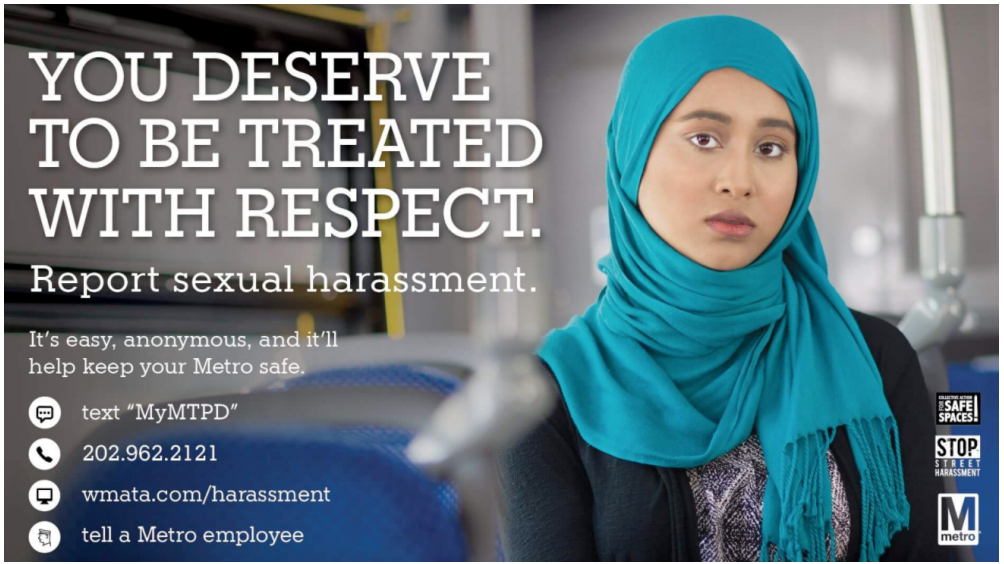
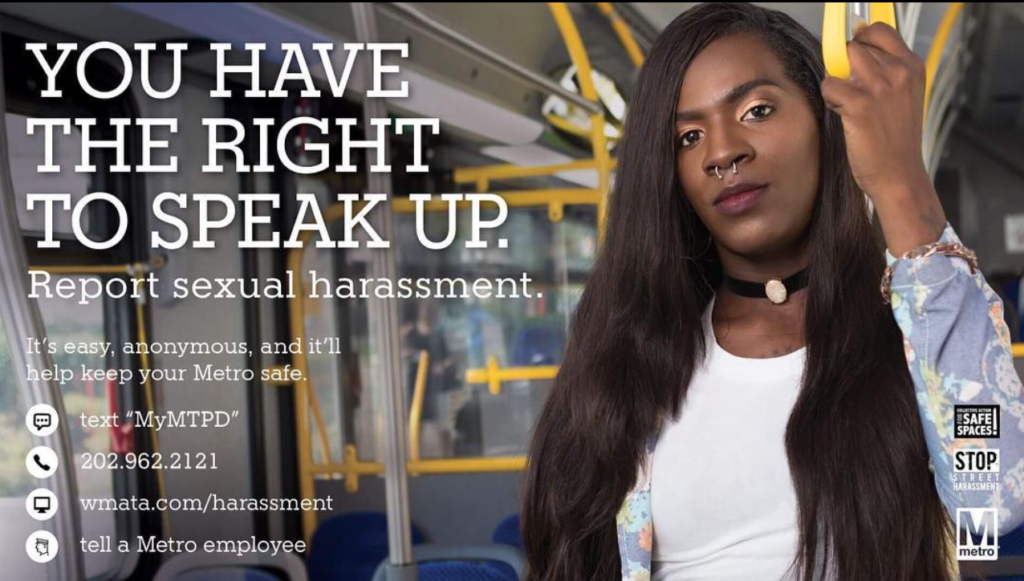
Beginning in 2012, CASS partnered with Stop Street Harassment and the Washington Metropolitan Area Transit Authority (WMATA), to launch multiple awareness campaigns to address sexual harassment and assault on DC’s public transit system.
In 2016, CASS and Stop Street Harassment expanded that work to curb harassment by WMATA employees and Metro Transit Police. The collaborative effort also produced one of the first-ever comprehensive transit safety surveys in the country to learn more about transit riders’ experiences.
In addition to providing consultation, we recommended and then helped implement an online sexual harassment reporting portal to help WMATA track data and monitor trends. We also successfully advocated for WMATA to train all 3,000 frontline WMATA employees and Transit Police to address sexual harassment and assault by being survivor-sensitive and responsive. This collected data was intended to aid in the development of more comprehensive solutions for the transit agency and its riders.
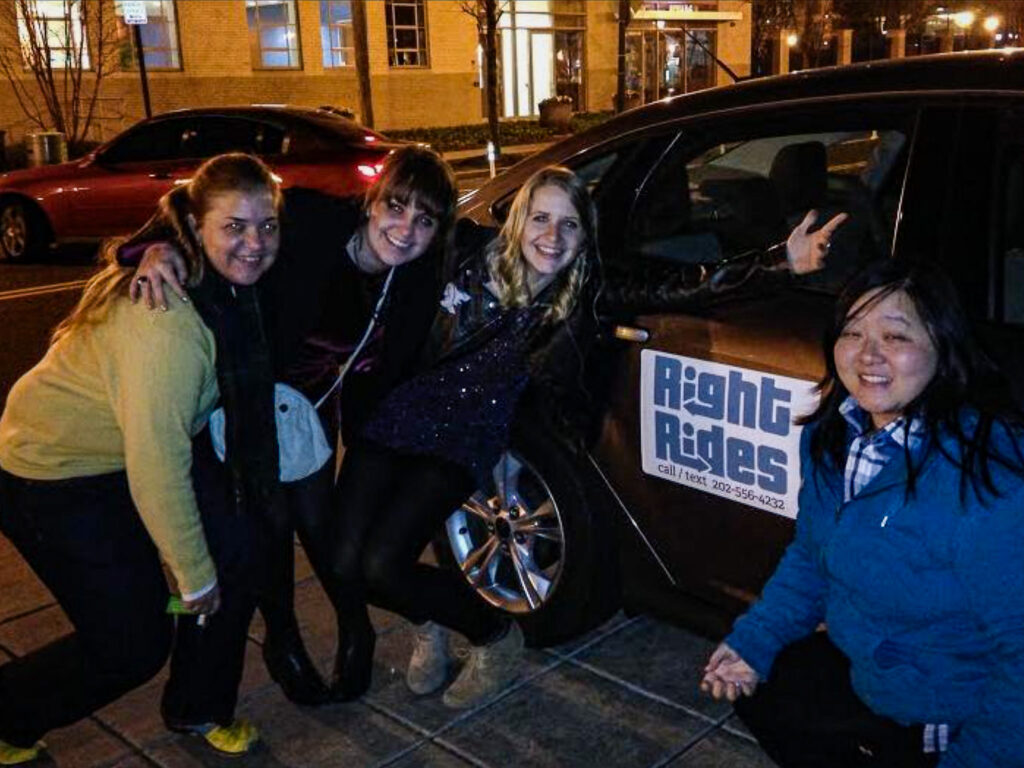
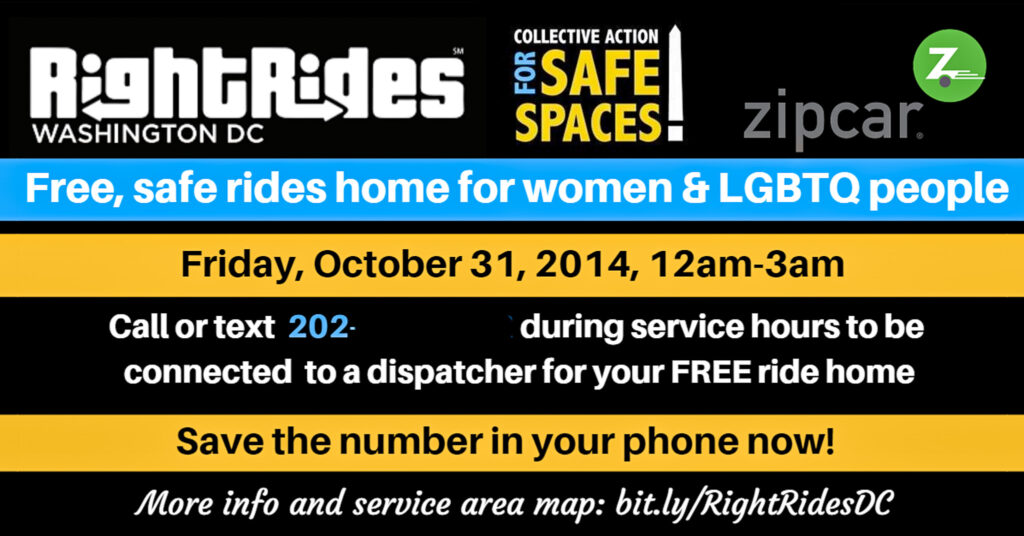
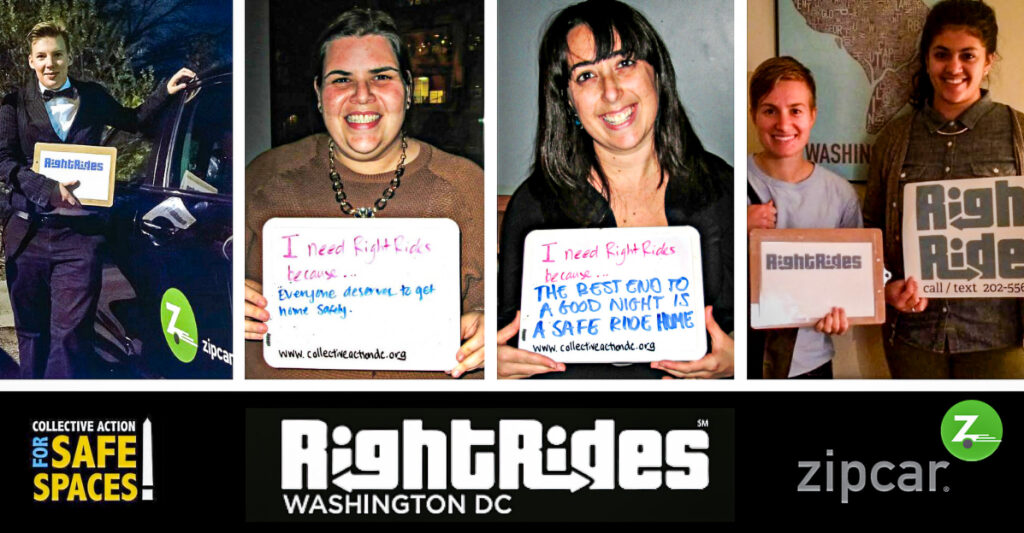
RightRides DC was a direct service program that offered free, safe, late-night rides home to women, gender non-conforming, and LGBTQ-identifying people. The program motto was “Getting home safe shouldn’t be a luxury.” Launching in fall 2014 RightRides DC arrived just before the widespread adoption of services like Uber and Lyft. The program was supported by one part-time paid staff with volunteer drivers and operationally built on a partnership with the short term car rental company Zipcar. RightRides DC was modeled after a pre-existing program in New York, NY.
This program was initiated after a 2013 survey of nearly 300 potential RRDC users (women, LGBTQ, and GNC people living in DC). 84% of respondents had experienced harassment while walking, biking, taking public transit, or taxi cabs, ranging from threatening comments to sexual assault. 85% of respondents indicated they used public transportation because it was cheaper than taxis or car services; however, the majority of respondents didn’t feel safe while using DC public transit late at night by themselves.
The program paired two RightRides volunteers in each car with the requesting rider. It typically ran until 3:30am on weekends and holidays including Halloween and New Year’s Eve.
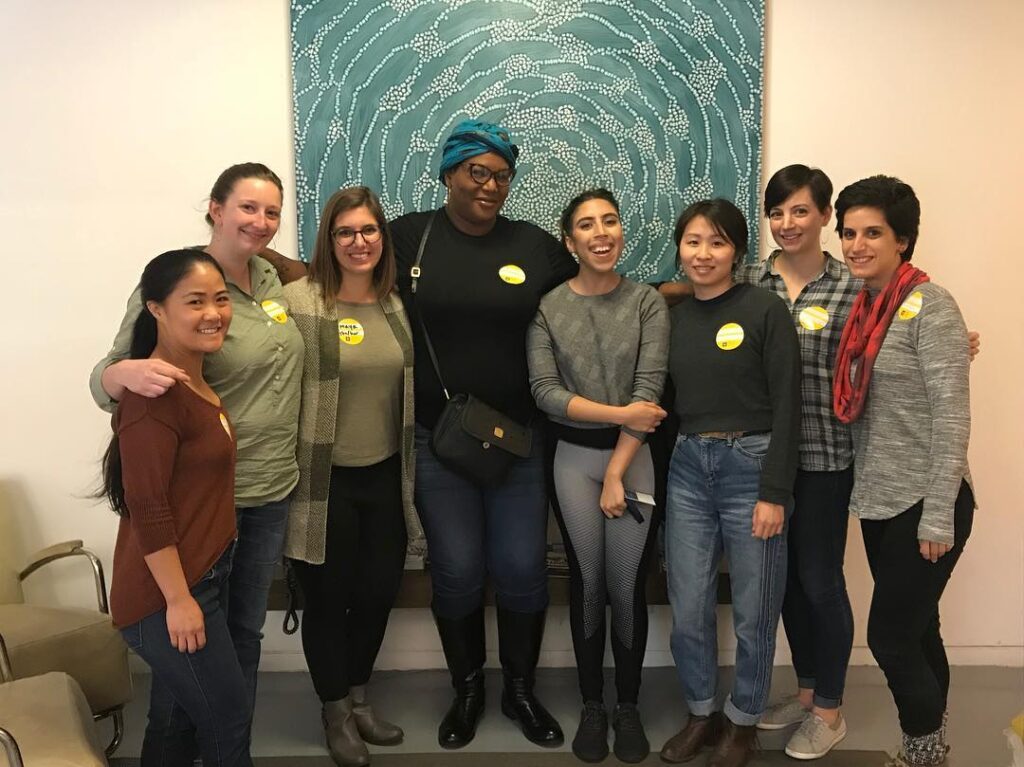
Collective Action for Safe Spaces was a Black trans, queer, and non-binary-led organization that was founded in 2009. The organization started as an anti-street harassment online forum led by volunteers, and grew into a collective of staff members, board members, volunteers, consultants, and coalition members. The organization specialized in public education, cultural organizing, coalition-building, and advocacy to build anti-carceral community safety.
Collective Action for Safe Spaces sunset in March 2025, and leaves behind a legacy of cultivating the greater DC community’s capacity to respond directly to patriarchal and state violence through transformative justice and abolitionist frameworks.
This archive was developed by a group of former board and staff members to capture the essence of CASS’ journey over our 15 years of existence and evolution. We hope this serves as a record of our impact here in DC, to not just disappear into the ether in the face of intentional erasure and violence against our communities. While we are still grieving our closure, we can still leave the evidence of a 15-year long fight towards our collective safety and liberation.
Even though CASS has been laid to rest, our work will still live in the abolitionist movement against patriarchal violence. This archive is a vivid memory practice that provides a roadmap and inspiration for those who take up the charge of carrying on our work. Our vision for the future is that this work is held in the hands of community members, without state influence or intervention, just like it did when we were founded. May this archive be a teaching, a walk down memory lane, and an activation for those who believe in keeping each other safe in DC.